
How I Turned Content Creation Into My Full-Time Career
Want to turn content creation from something you love into a career you can actually earn from? Charlie shares the key lessons that helped her replace her 9-5 from finding your positioning and pitching brands to diversifying your income and understanding the business behind being a creator.
You know you want to make content creation your full-time career, but you’re not quite sure how to make it work?
I remember being in exactly that position. Creating content was something I genuinely loved doing and felt passionate about, and I knew it was what I wanted to spend my time on. The difficult part was figuring out how to turn something I loved into an income I could actually rely on.
The truth is, it didn’t happen overnight. It wasn’t the result of one viral video, and it certainly wasn’t because I had millions of followers. What changed everything was when I stopped treating content creation like a hobby and started treating it like a business. I had to think beyond simply creating content and start thinking about how that content could attract opportunities, generate different income streams and ultimately support me as a career.
These are the things that made the biggest difference for me, and the same foundations I now help other creators build.
1. I got clear on my positioning
When I first started creating content, I was creating because I enjoyed it. Over time, I realised that if I wanted to build a sustainable career from it, I needed to become more intentional about what I was putting out into the world.
I started thinking about what I wanted to be known for, the values I wanted my content to represent and the types of brands I genuinely wanted to work with. This didn’t mean putting myself into a tiny niche or only ever talking about one subject. It meant having enough clarity that people could understand who I was, what I offered and why they should follow me.
That clarity also made creating content much easier. Instead of constantly wondering what I should post, I had a much better understanding of the type of content that would attract the right audience and, ultimately, the right opportunities.
2. I started creating content for the brands I wanted to work with
One of the biggest mindset shifts for me was realising that I didn’t have to wait for brands to tell me what they wanted.
I started identifying the brands I wanted to work with and then thinking about how I could naturally demonstrate what I could create for them. If I loved a brand’s products or aesthetic, I would create content that felt authentic to me but also showed the brand exactly how I could bring their product to life.
My content became part of my pitch.
Rather than simply telling a brand that I was capable of creating great content, I could point them towards examples that already demonstrated it. This is something I still encourage creators to think about today. Your profile can act as a portfolio, so make sure it reflects the type of work and partnerships you want to attract.
3. I actively pitched
I also learnt very quickly that I couldn’t sit around waiting for my dream brands to find me. I had to create opportunities for myself, which meant getting comfortable with pitching.
It can feel daunting putting yourself out there and potentially hearing “no”, but the reality is that not every opportunity is going to land in your inbox. Sometimes you have to make the first move, explain what you can offer and show a brand why working with you makes sense.
I pitched, followed up and kept going. In fact, around 80% of the work we now bring into our agency comes from pitching, which shows just how powerful being proactive can be. You don’t always have to wait for the opportunity to appear; sometimes you can create it yourself.
4. I stopped accepting the first number
As more opportunities started coming in, I realised that getting the opportunity was only one part of building a successful creator business. I also needed to understand how to value my work properly and negotiate.
I learnt to look beyond the initial fee and understand exactly what was being asked of me. What content was involved? How long would the brand be able to use it? Was there exclusivity? Were there additional deliverables? Did the budget actually reflect the amount of work involved?
I became much more comfortable asking for more when the initial offer didn’t reflect the value of the work. It might not feel like a huge difference in the moment, but those small increases can add up significantly over the course of your career.
5. I diversified my income
Brand partnerships were a big part of my income, but I never wanted my entire career to depend on whether a brand said yes to a campaign. I wanted to build something that could continue generating income from the content and audience I had already created.
That meant looking at additional revenue streams, including affiliate income, and being more strategic about the content I created. I started thinking about how one piece of content could have a longer lifespan and generate value beyond a single paid collaboration.
That mindset is important because your audience and your content are assets. You don’t have to rely on one income stream when there are different ways to build revenue around what you already do.
6. I learnt the commercial side of being a creator
The commercial side of being a creator probably isn’t the part that gets people excited when they first start creating content, but it is one of the most important things to understand if you want to turn it into a career.
I had to learn about contracts, usage rights, exclusivity and payment terms, as well as what I should be looking out for when agreeing to a partnership. Understanding those things gave me much more confidence when working with brands and helped me protect myself commercially.
It’s also one of the reasons we now have an in-house legal team supporting our creators at OAC. Being a successful creator isn’t just about making brilliant content; it’s about understanding the business behind it and making sure you’re protecting the income you work hard to generate.
Eventually, my content became my career
What started as wanting to make money from my own content eventually allowed me to replace my 9–5. But that wasn’t actually the end of the journey. It led me to where I am now, building a business that helps other creators do the same.
I know how exciting it feels to love creating content but also feel frustrated because you don’t know how to turn that passion into something financially sustainable. There’s a huge difference between having an audience and knowing how to build a business around that audience, and that’s the gap I wanted to help creators close.
That’s why we created Influence to Income™.
The programme takes the foundations that helped me build my own creator career… positioning, content strategy, brand partnerships, pitching and negotiation, affiliate income and the commercial side of being a creator and helps you apply them to your own business.
You don’t need to wait for one viral video or reach a certain follower count before you can start taking your content seriously. You can start building the foundations now and create a strategy around turning the thing you already love into an income you can rely on.
Ready to turn your content into a career?
Find out more about Influence to Income™ or book your free discovery call and let’s talk about where you are now and what your next step could look like.
What Are Brands Actually Looking for From Creators in 2026?
I’ve seen behind the curtain on £2m+ of brand collaborations, and I can tell you: follower count is no longer the whole story. So, what are brands actually looking for from creators in 2026? From driving clicks and conversions to building trust, creating great content and being someone they want to work with again, we’re breaking down what really makes a creator commercially valuable and how you can start positioning yourself for more paid opportunities.
I’ve seen behind the curtain on £2m+ worth of brand collaborations, and if there’s one thing I’d want creators to know, it’s this: follower count is nowhere near the whole story.
As an agency founder, I’m in conversations with brands and creators every single day. I see what brands ask for, what makes them excited to work with someone, what makes them come back for a second campaign and, just as importantly, what can make them say no.
And I speak to so many creators who are stuck wondering the same thing:
“My content is good. I have an engaged audience. So why aren’t I getting more brand deals?”
If that sounds familiar, you might be focusing on the wrong thing.
The creator economy has become much more commercially sophisticated. Brands aren’t simply looking for the biggest audience they can find. They’re looking for creators who can create attention, build trust, drive action and deliver results.
So, what does that actually look like?
1. A relevant audience, not just a big one
For a long time, follower count was treated as one of the most important indicators of a creator’s value.
It still has a place, but it’s certainly not the whole picture.
A creator with 20,000 highly engaged followers who genuinely trust their recommendations can be far more valuable to a brand than someone with 200,000 followers who rarely interacts with their audience.
Brands want to know who your audience is and whether they are actually relevant to what they’re trying to sell.
If you’re a fashion creator with an audience that regularly asks where your outfits are from, that’s valuable. If you’re a travel creator whose audience actively uses your recommendations to book hotels and trips, that’s valuable.
Your audience doesn’t just need to be big.
It needs to make sense for the brand.
What you can do:
Get really clear on your audience. Look beyond your follower number and understand who is actually watching, engaging and taking action because of your content.
That information should become part of how you position yourself to brands.
2. Can you move people from A to B?
This is one of the biggest things I’d be thinking about if I were trying to become more commercially attractive to brands.
Can your content actually drive action?
It could be a link click, a website visit, an affiliate sale, a discount code being used, a product being purchased or simply getting someone to search for the brand after seeing your content.
Brands want creators who can do more than generate views.
They want to know that you can take someone from:
“I’ve seen it” → “I’m interested” → “I’m taking action.”
And you don't need to have millions of followers to demonstrate that.
What you can do:
Start paying attention to the actions your audience takes after seeing your content. Look at clicks, saves, shares, comments, affiliate performance and any other useful indicators.
Then start collecting that information.
Your results are part of your sales pitch.
3. Can you actually sell?
This one might sound obvious, but being able to sell something without making your audience feel like they’re being sold to is a genuine skill.
The best commercial creators can take a product and make it feel completely natural within their content. They understand how to communicate the benefit, tell the story and make their audience think, “I actually want that.”
That’s incredibly valuable to a brand.
You’re not just creating an advert. You’re using your understanding of your audience to communicate why that product matters to them.
What you can do:
Look at your existing content and ask yourself: “If I were a brand, could I see how this creator could sell my product?”
If the answer is no, think about how you could make your content more intentional.
4. Are you someone the brand wants to work with again?
This is something that doesn’t get talked about enough.
A brand collaboration isn’t just about what happens on your feed.
Your communication throughout the process matters. So does being organised, meeting deadlines, taking feedback well and making the entire process easy for the brand.
From the brand’s perspective, a creator who delivers great content and is brilliant to work with is much more likely to become a repeat booking.
And repeat bookings are where creator businesses can become much more sustainable.
What you can do:
Treat every collaboration as though it could lead to the next one.
Be proactive with communication, deliver when you say you will and follow up after the campaign. If the content performed well, share the results with the brand.
Don’t just complete the campaign.
Build the relationship.
5. Can you create content that works commercially?
Brands are increasingly thinking beyond a creator’s audience.
They’re also thinking about the content itself.
Can they use it on their own social channels? Could they put paid spend behind it? Could it work on their website, in an email campaign or across different parts of their marketing?
This means your value isn't only in the number of people who follow you.
Your ability to create effective, usable content has its own value.
This is particularly important for creators who might not have a huge audience but have a really strong content skillset.
What you can do:
Start thinking about your content as more than something that lives on your own profile.
Create content that demonstrates strong hooks, storytelling, product integration and clear calls to action.
Show brands what they could do with your content beyond your own audience.
6. Do you actually understand the brand?
If I could give creators one piece of advice before they pitch a brand, it would be this:
Do your research.
The generic “I love your brand and would love to collaborate” pitch isn't going to tell a brand why they should choose you.
The creators who stand out understand the brand, its audience, its positioning and what it is trying to achieve — and then show where they fit into that.
When a creator comes to us with a genuinely thoughtful idea that clearly makes sense for the brand, it immediately changes the conversation.
It demonstrates that they aren't just looking for any collaboration.
They've identified an actual opportunity.
What you can do:
Before pitching, spend some time looking at the brand’s current content, campaigns, audience and competitors.
Then ask yourself:
“What could I create for them that they aren't already doing?”
That answer could be the foundation of your pitch.
So, what are brands actually looking for in 2026?
It’s not simply the biggest audience.
It’s creators who can capture attention, build trust, drive action and deliver results.
And they want creators who are commercially aware, understand their own value and make the entire collaboration process easy.
If you’re currently thinking, “But I have good content and an engaged audience — why aren't I getting the opportunities I want?”, take a step back and look at your account from a brand’s perspective.
Can you clearly demonstrate:
Who your audience is
What makes you different
What action your content drives
What results you can deliver
Why a brand should want to work with you
And why they should want to work with you again
Because that’s the shift from being a creator with an audience to becoming a creator with commercial value.
And if you’re ready to build that commercial strategy around your own account, that’s exactly what we help creators do inside Influence to Income™.
Ready to understand how you could turn your influence into income?
Find out more about Influence to Income™
Or, if you want to talk through your account, your goals and where you could be monetising more, book a discovery call with us.
Your follower count is only one part of the story. The real question is: how much commercial value can you create?
Negotiation Isn’t Awkward - It’s Part of Being a Creator Business Owner
If negotiating with brands is the part of creator life you dread, you’re not alone. Knowing when to push back, how to ask for more, what to do when the budget is too low and how to protect yourself in a contract can feel overwhelming, but negotiation is simply part of running a creator business. In this blog, we’re breaking down the key things to consider before you say yes, so you can approach your next brand deal with more confidence and stop leaving money on the table.
If there’s one part of brand collaborations that I hear creators say they dread, it’s negotiation. You’ve received the email, the brand loves your content, they want to work with you, and then you get to the budget. Suddenly, you’re overthinking everything. Is this too much? Should I just accept it? What if they say no? What if they think I’m difficult? What if I lose the opportunity?
If that sounds familiar, you’re definitely not alone. Negotiating can feel particularly uncomfortable when you’re still building your confidence as a creator. There’s often this fear that asking for more money, changing the deliverables or pushing back on a contract could mean losing the opportunity altogether.
But I want you to start looking at it differently: negotiation isn’t you being difficult. It’s you running a business.
If you want content creation to become a genuine source of income, understanding how to have commercial conversations is just as important as understanding how to create great content.
The first number isn't necessarily the final number
One of the biggest mindset shifts I want creators to make is to stop automatically treating the first fee a brand offers as non-negotiable.
A brand might come to you with a budget of £500. That doesn’t necessarily mean £500 is the absolute maximum they have available. There may be flexibility, and you’ll never know unless you have the conversation.
That doesn’t mean you should automatically double your fee every time a brand sends you a budget. Good negotiation isn’t about trying to squeeze every possible penny out of a brand. It’s about understanding the value of the work, looking at what’s being requested and confidently communicating what you would need to make the collaboration worthwhile.
You’re allowed to ask.
Don’t immediately reduce your rate — look at the scope
This is one of the most useful things to remember when a brand says their budget is lower than your rate. Your first response doesn’t have to be, “Okay, I can do it for less.”
Instead, look at the scope of the campaign. If a brand wants three videos, five photos, organic usage, paid usage and six months of exclusivity, that’s a very different proposition to one video posted organically on your own channels.
If the budget doesn’t work for everything they’ve asked for, explore what could change. Could you reduce the number of deliverables? Could the usage period be shorter? Could exclusivity be removed?
You’re not just negotiating your fee. You’re negotiating the deal.
Understand what your fee actually covers
One of the biggest mistakes creators can make is thinking their rate only reflects the amount of time it takes to film a video. Your fee can reflect your creative concept, planning, filming, editing, audience, expertise, distribution and the commercial value of the content you’re creating.
Then there are additional considerations such as usage rights, exclusivity and paid advertising. This is why understanding the full brief before agreeing to a fee is so important.
Before you say yes, take a step back and look at the entire opportunity. What exactly are you being asked to deliver, how much time will it take, where will the content be used and what is the brand getting from the collaboration?
The clearer you are on the scope, the more confidently you can negotiate.
Usage rights can completely change the value of a collaboration
This is an area I really want creators to become more comfortable talking about. A brand using a piece of content on its own Instagram is one thing. A brand being able to take that same content and use it in paid advertising for six months, across its website, email marketing and other platforms is something else entirely.
Your content has value beyond your own social media account, so before agreeing to a fee, make sure you understand exactly what rights you’re giving the brand. Consider where the content will be used, how long they’ll use it for, whether paid advertising is included, whether they’re asking for exclusivity and whether you’re giving away ownership or simply granting usage rights.
The more rights you’re giving away, the more important it is that your fee reflects that.
Don’t let the “little extras” become free work
This happens all the time. A brand asks if you can “just do one more version”, send over a few extra photos, extend the usage period or post the content on another platform. Individually, these requests might feel small, but they can quickly add up.
You don’t need to be difficult when this happens. You can simply acknowledge the request and explain that it falls outside the original scope and would require an additional fee.
It’s worth remembering that professional boundaries don’t make you difficult. They make you commercially aware.
Negotiation doesn’t stop when the deal is agreed
Being commercially confident isn’t just about getting a higher fee. It’s also about making sure you understand what you’re agreeing to.
Read your contracts. Check the payment terms. Understand the usage rights. Look at cancellation clauses and exclusivity. Know when you’re expected to deliver and when you’re actually going to be paid.
There’s no point negotiating an extra £200 onto your fee if you’ve accidentally agreed to unlimited usage or a contract that allows money to be taken back under circumstances you hadn’t considered.
Getting paid is one thing. Making sure you keep the money and protect your work is another.
And yes, follow-up is part of running your business too
Sometimes creators think that if a brand stops replying, the opportunity is dead. But brands are busy, campaigns get delayed, budgets change and emails get missed.
Following up isn’t desperate. It’s professional.
A simple message checking whether the campaign is still something they’d like to move forward with can bring a conversation back to life. And if the answer is no, that’s okay too. You’ve maintained the relationship and left the door open for something in the future.
The same applies after a campaign. If you’ve delivered great work and the relationship was positive, don’t be afraid to follow up, share results and ask whether they have anything else coming up.
The goal isn’t to “win” every negotiation
This is probably the biggest misconception around negotiation. It isn’t about getting the highest possible fee from every single brand.
Sometimes a lower-paid collaboration might make sense because of the brand, the opportunity, the relationship or the potential for future work. The point is that you should be making that decision consciously, rather than automatically accepting an offer because you’re scared the brand will say no if you negotiate.
You shouldn’t be agreeing to six months of usage because you didn’t realise you could negotiate it. You shouldn’t be creating three additional deliverables because you felt uncomfortable pushing back. And you shouldn’t be accepting a fee that doesn’t make sense for the work simply because you’re worried about losing the opportunity.
You should understand what you’re agreeing to and feel confident that the deal works for you.
So, if negotiation makes you nervous…
Start small. The next time a brand sends you a fee, don’t immediately reply yes. Take a minute to look at the deliverables, usage, timeline and overall value of the collaboration. Think about what you’re actually being asked to provide and whether the fee reflects that.
Then, if it doesn’t, have the conversation.
The more you practise negotiating, the less intimidating it becomes. And ultimately, if you’re serious about turning content creation into a business, pricing, negotiating and protecting your work aren’t optional extras. They’re part of the job.
Ready to take your creator business more seriously?
Understanding how to price your work, negotiate with brands, understand contracts and build sustainable income streams is a huge part of becoming a commercially confident creator. It’s also exactly the kind of strategy we cover inside Influence to Income™.
Find out more about Influence to Income™
Or, if you want to talk through your own creator business and where you could be leaving money on the table:
Your next brand deal isn’t just an opportunity to create content. It’s an opportunity to practise running your business.
How to Stop Getting Stuck in the Gifted Cycle
If you’re constantly getting gifted opportunities but wondering when they’ll actually turn into paid work, you’re not alone. In this blog, we break down five key questions to help you move from gifted to paid, build your commercial value and start turning the opportunities you’re already creating into real income.
If you’re a creator, there’s a pretty specific stage that I see time and time again. You’re getting gifted opportunities. Brands are reaching out, you’re building your portfolio, you’re creating content you’re proud of and, on the surface, things are going really well. You might even have brands you’ve dreamed of working with starting to notice you.
But then you hit a point where you start thinking: “Okay… when does this actually start making me money?”
Because getting gifted a product, a stay or an experience is exciting, but when you’ve been doing it for months and the paid opportunities still aren’t coming through, it can start to feel like you’re stuck in a cycle.
And if that sounds familiar, I want you to know that you’re not necessarily doing anything wrong.
In fact, if brands are already approaching you, that’s a really positive sign. It tells you there is demand for your content and that brands can see something in what you’re creating. The opportunity now is to stop looking at gifted collaborations as the end goal and start thinking about how you can turn that existing interest into income.
This is the shift I want more creators to make: instead of asking “How do I get more opportunities?”, start asking “How do I monetise the opportunities I’m already creating?”
So, before you accept your next gifted collaboration, here are five questions I’d be asking yourself.
1. Are you treating your gifted collaborations like paid projects?
Just because a collaboration is gifted doesn’t mean you should approach it any differently from a paid campaign. If your goal is to eventually work with that brand on a commercial basis, you want the content you create now to demonstrate exactly why they should invest in you later.
That means thinking beyond simply fulfilling the brief. Consider what the brand is trying to achieve, who they’re trying to reach and what would make their audience actually want to engage with or buy from them.
The goal is to create something that makes the brand think, “If this is what they can do with a gifted collaboration, imagine what we could achieve with a proper campaign.”
Actionable step: Before your next collaboration, write down the brand’s main objective and three things you want the audience to think, feel or do after seeing your content. Use those to shape your creative.
2. Are you showing the brand the value you actually bring?
One of the biggest mistakes I see creators make is assuming their value is simply the finished piece of content. Your value goes much further than that.
You bring your creative ideas, your understanding of your audience, your storytelling ability, your knowledge of trends and your understanding of what makes people stop scrolling. The more you can demonstrate that thinking to a brand, the easier it becomes for them to see you as more than someone who can simply film a Reel.
So, when you deliver content, don't be afraid to share some of the thinking behind it. Explain why you chose a particular hook, why you think a certain format will resonate or suggest another idea that you think could work for them.
You’re subtly showing the brand that you don’t just create content, you understand content.
Actionable step: Next time you deliver gifted content, include a couple of sentences explaining the creative thinking behind it or suggest one additional content idea you think could work for the brand.
3. Are you collecting proof that you get results?
If your content performs well, don’t assume the brand will automatically notice or remember. You need to make your results part of the conversation.
Keep track of views, engagement, saves, shares, clicks, sales or any other metrics that demonstrate the impact of your content. Even a positive message from a brand saying they loved what you created can be valuable evidence when you’re building your portfolio.
This is particularly important when you start moving into paid work because there’s a big difference between telling a brand “I create great content” and being able to say “Here’s what I created, and here’s what it achieved.”
That proof starts to build your commercial credibility.
Actionable step: Create a simple folder for your creator results and save your strongest-performing content, screenshots of results, positive brand feedback and testimonials. Start building your own library of case studies.
4. Are you creating the next opportunity?
This is where I think creators can leave a huge amount of money on the table.
You complete the gifted collaboration, send over the content, thank the brand and move on to the next opportunity. But if you’ve had a great experience and the brand is happy with your work, why let the relationship end there?
You’ve already done the hard part. You’ve started the relationship, created something for them and shown them what you can do.
Use that.
Follow up with your results, ask what they have coming up and, where appropriate, suggest another idea or campaign. You don’t need to make it overly complicated. A simple message such as:
“I loved working with you on this and have a few ideas that I think could work really well for your upcoming campaigns. I’d love to explore how we could work together on a paid basis.”
can be enough to open the conversation.
Actionable step: Go back through the brands you’ve worked with over the last six months. Pick your top three relationships and reach out with an idea for how you could work together again.
5. Are you actually making the paid ask?
This is probably the biggest one.
I speak to so many creators who assume that if a brand wants to pay them, the brand will simply offer. Sometimes that happens, but you can’t build your entire creator business around waiting for someone else to make the first move.
If a brand has already worked with you, likes your content and is continuing to engage with you, you have a much warmer opportunity to start a commercial conversation.
You don’t have to feel awkward about it either. You’re not asking them to do you a favour. You’re offering a service that has value.
The more confident you become in your positioning, your rates and the results you can deliver, the easier that conversation becomes.
Actionable step: Think of one brand you’ve already worked with and send them a message this week asking what campaigns they have coming up and whether they’d be open to discussing a paid collaboration.
So, how do you actually make the jump from gifted to paid?
Gifted collaborations aren’t a bad thing. In fact, they can be an incredibly useful part of building a creator career. They can help you develop your portfolio, build relationships with brands, create case studies and get your foot in the door with companies you genuinely want to work with.
The problem is when gifted becomes the business model rather than the stepping stone.
If you’re consistently getting opportunities but not consistently generating income, it might be time to look at the strategy behind your account.
Do you know what you want to be known for? Are you positioning yourself clearly? Do you understand what makes you different? Are you communicating your value to brands? Do you know how to pitch, price and negotiate? And, perhaps most importantly, do you have a clear plan for turning your influence into multiple revenue streams?
Because building a successful creator business isn’t just about getting more followers or more brand deals. It’s about understanding how to turn the attention you’ve already built into something commercially sustainable.
And if you’re reading this thinking, “Okay… I’m definitely stuck in the gifted cycle,” that’s actually a really useful realisation.
You don’t necessarily need more opportunities. You might simply need the strategy to make more from the opportunities you’re already creating.
Ready to turn your influence into income™ ?
If you’re ready to take your creator career seriously and build a strategy around actually making money from your influence, find out more about Influence to Income™ below.
Find out more about Influence to Income™
Or, if you’re ready to talk through your own account and where you could be monetising more, book a discovery call and start turning your influence into income now.
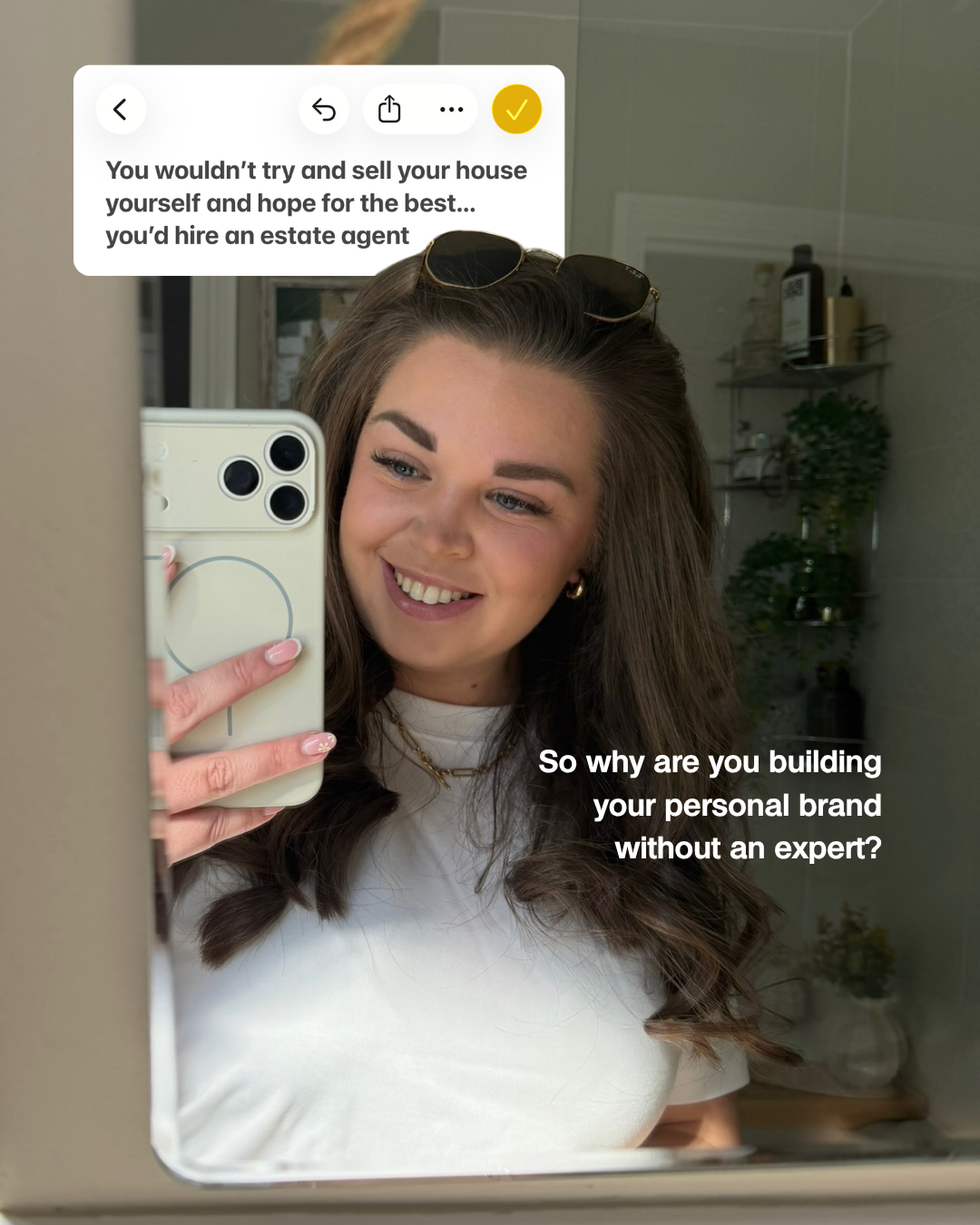
You Wouldn’t Sell Your House Yourself. So Why Are You Building Your Creator Business Alone?
You’ve built the audience, created the content and put in the work, but are you actually treating your personal brand like the valuable asset it is? Just like you’d bring in an expert to sell your home, the right strategy can help you position, grow and monetise your personal brand more intentionally.
You’ve Done the Hard Part… Now What?
You’ve built the audience, you’ve spent years creating content, showing up, figuring out what your audience likes and building a community of people who actually care about what you have to say.
But there’s a point where you have to start asking:
“What am I actually doing with it?”
Because growing an audience and building a creator business are two very different things.
We see this all the time.
Creators with brilliant engagement, loyal audiences and loads of potential who are still waiting for brands to email them, accepting gifted collaborations or simply hoping that if they keep posting, the money will eventually follow.
And honestly? It doesn’t always work like that.
Your audience is valuable. But you need to know why.
You don’t necessarily need another 10,000 followers.
You need to understand what makes your audience valuable, what you want to be known for and where the opportunities are.
Could you be working with more aligned brands?
Could you be earning through affiliate partnerships?
Could your expertise become a service, product or digital offer?
Could your content be opening doors to opportunities you haven’t even considered yet?
That’s where strategy comes in.
This is our world
At OAC, we live and breathe the creator industry.
Charlie built the business through becoming a creator herself, so she understands what it’s like to build an audience, navigate brand partnerships and figure out how to turn influence into an actual business.
And today, we work with creators and brands every single day — through our managed talent roster and the campaigns we work on with brands.
So we’re constantly seeing both sides.
What creators are doing. What brands are looking for. And what actually turns influence into income.
And one thing we know for sure?
You can’t copy and paste someone else’s creator strategy.
What works for one person might be completely wrong for you.
Your audience, positioning, personality, goals and opportunities are unique.
So, what happens next?
If you’ve built an audience and you’re ready to stop waiting for opportunities to happen and start being more strategic about your income, that’s exactly what we help with through Influence to Income™.
It’s our 3-month 1:1 mentoring programme designed to help creators understand how to position themselves, pitch, work with brands and build a monetisation strategy around the audience they’ve already built.
Because you’ve already done the hard part.
You’ve built the audience.
Now it’s time to make sure it’s actually working for you.
Book your discovery call here
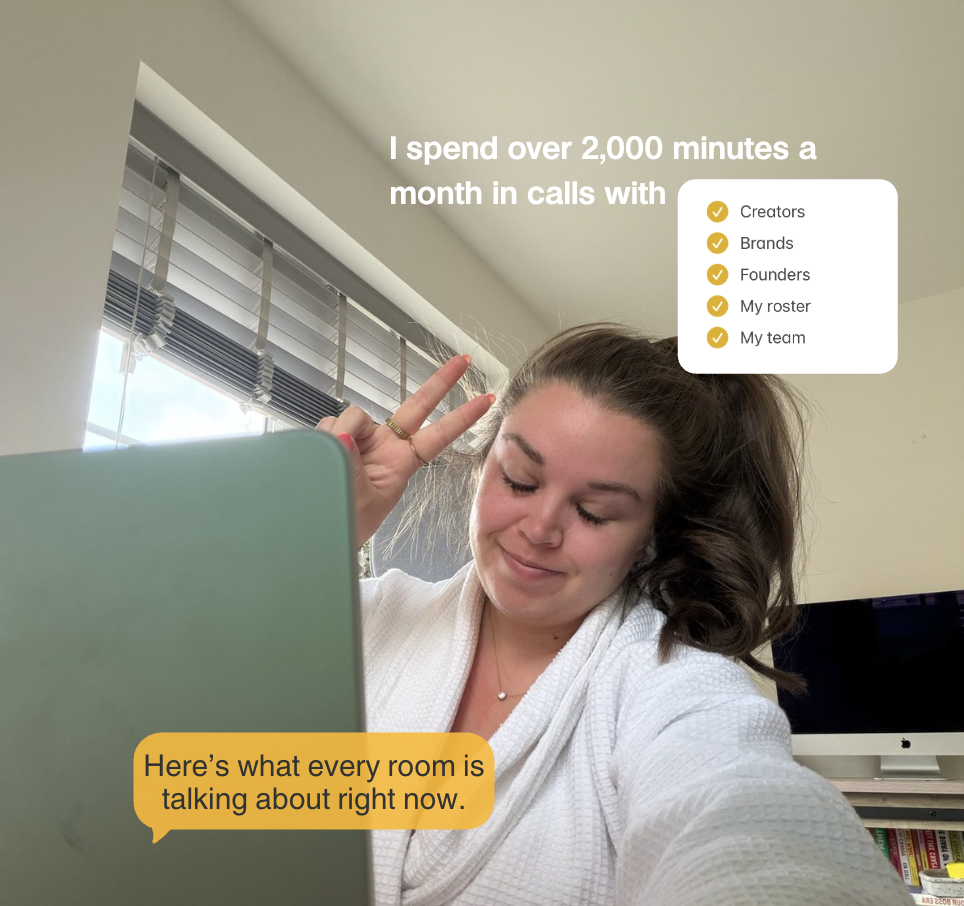
I Spent Over 2,000 Minutes Talking to Creators, Brands & Founders Last Month. Here’s What I Learnt.
After spending more than 2,000 minutes on calls with creators and brands in a single month, I noticed the same patterns appearing time and time again. Here are the three biggest lessons every creator should know if they want to land more brand collaborations and start monetising their content.
The other day, I was looking through my calendar when I realised I’d spent over 2,000 minutes on calls in a single month.
At first, I laughed. It explained why I constantly felt like I was either jumping into a Google meeting or walking out of one. But then it made me stop and think about what those hours actually represented.
They weren’t just meetings. They were conversations with creators wondering why brands weren’t replying to their emails, mentoring sessions helping creators turn their Influence To Income, calls with global brands planning campaigns, and strategy sessions with founders building personal brands that people actually remember.
It made me realise something I don’t think about often enough… I have a front-row seat to the conversations shaping the creator economy.
One of the promises I made to myself when I started my business was that I’d never gatekeep what I learn. Every week, I hear the same questions, challenges and breakthroughs from creators at every stage of their journey. While every story is different, the patterns are surprisingly similar.
Here are the three biggest lessons I keep coming back to.
1. Opportunities are built through relationships, not just reach.
One of the biggest myths in the creator economy is that brands only care about follower count. In reality, I speak to brands every week, and very few are simply looking for the biggest audience.
They’re looking for creators who understand their audience, communicate professionally, deliver content on time and genuinely care about the partnership. Those things might not show up on your Instagram profile, but they often have a bigger impact than another 10,000 followers.
Content might get you noticed, but relationships are what keep opportunities coming. The creators who consistently land repeat collaborations are usually the ones who stay in touch, ask for feedback and make working with them a great experience.
2. Great creators don’t wait to be discovered.
One conversation I have almost every day is with a creator asking why brands aren’t reaching out.
My answer is usually the same.
The creators landing the most consistent brand partnerships aren’t always waiting for inbound opportunities. They’re proactively introducing themselves, building relationships with brands they genuinely love and confidently communicating the value they can bring.
Pitching isn’t about convincing a brand to work with you. It’s about showing them why you’re the right fit for their campaign. When you shift your mindset from “asking for work” to “starting a conversation”, everything changes.
3. Action will always beat information.
Creators have never had more free advice available to them. There are endless podcasts, newsletters, YouTube videos and Instagram posts sharing tips on how to grow.
But information alone doesn’t build a business.
After thousands of conversations, I’ve realised that the creators who make the fastest progress aren’t necessarily the ones consuming the most content. They’re the ones who leave a strategy call, implement one idea and keep building momentum.
Perfection slows people down. Action moves them forward.
The biggest takeaway
After spending more than 2,000 minutes in conversations last month, one thing has become clear to me.
There isn’t a secret strategy that only successful creators know.
The creators building sustainable businesses are simply consistent. They create valuable content, nurture relationships, pitch themselves confidently and keep showing up, even when the results aren’t immediate.
Those habits might sound simple, but they’re often the difference between creators who occasionally land a gifted collaboration and those who build long-term careers.
If pitching brands is the part you’re finding most difficult, I’ve put together a free pitching guide that walks you through the strategies we use to help creators start meaningful conversations with brands.
If you’re ready to stop waiting for brands to find you and start creating opportunities yourself, download my free Pitching Guide. Inside, I’ll show you the strategies we use to help creators confidently approach brands and start monetising their content.
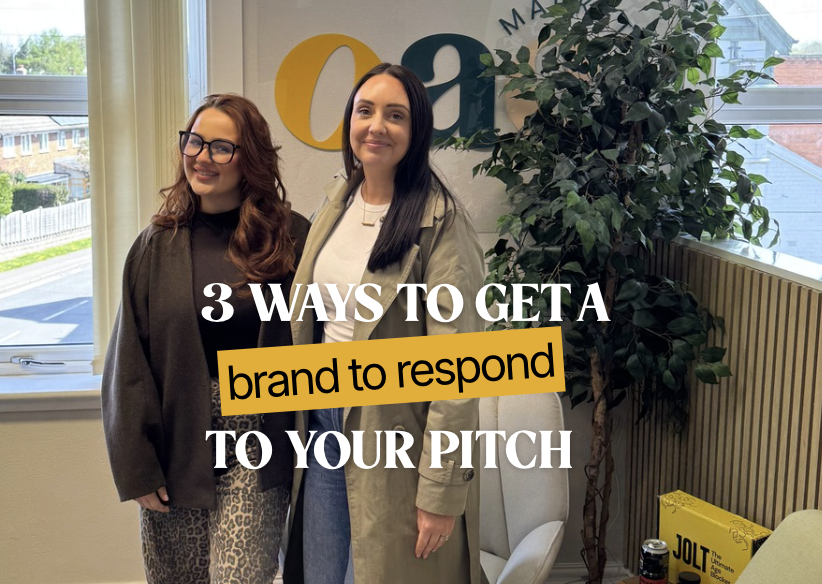
Why Brands Aren’t Replying to Your Pitches (And How to Change That)
Sending brand pitches but hearing nothing back? Discover the biggest pitching mistakes creators make, why brands aren’t responding, and simple strategies to help you secure more paid collaborations.
If you’ve ever sent a pitch to a brand and been met with complete silence, you’re not alone.
One of the biggest frustrations we hear from creators is, “I’m sending emails, but nobody is replying.” While it can feel disheartening, the truth is that a lack of response doesn’t always mean a lack of interest.
More often than not, it comes down to how you’re pitching.
Here are three ways to improve your pitches and increase your chances of securing brand collaborations.
1. Stop pitching yourself. Start pitching the opportunity.
One of the biggest mistakes creators make is making their pitch all about themselves.
Brands already know who you are from your social media and media kit. What they really want to understand is why working with you benefits them.
Instead of saying:
“I’d love to collaborate because I love your products.”
Try explaining:
“My audience is actively looking for solutions around X, and I believe your brand is perfectly positioned to help them.”
Shift the conversation from what you want to what you can achieve together.
2. Make it clear why you’re the right creator.
Not every creator is the right fit for every campaign, and that’s okay.
Your pitch should answer three simple questions:
Why you?
Why your audience?
Why now?
Think beyond your follower count.
Brands care about your niche, the trust you’ve built with your audience, your storytelling ability and the results you can deliver. Show them what makes your content different and why your community is the perfect fit for their campaign.
3. Follow up professionally.
This is the step that so many creators skip.
Marketing teams receive hundreds of emails every week, and sometimes your pitch genuinely gets buried.
Following up doesn’t make you pushy. It shows professionalism, confidence and that you’re genuinely interested in building a relationship, not just securing a one-off campaign.
Some of the best partnerships start with a follow-up email.
Want to become more confident when pitching brands?
Our Brand Pitching Guide is designed to help creators pitch with confidence and secure more paid collaborations.
Inside, you’ll learn:
The biggest pitching mistakes creators make (and how to avoid them)
How to position yourself as a brand’s ideal partner
How to create pitches that stand out and convert
Follow-up, pricing and negotiation strategies
What brands are really looking for
Ready-to-use templates, examples and actionable tips
If you’re ready to stop second-guessing your pitches and start sending emails with confidence, our Brand Pitching Guide is the perfect place to start.
Download yours: Click here
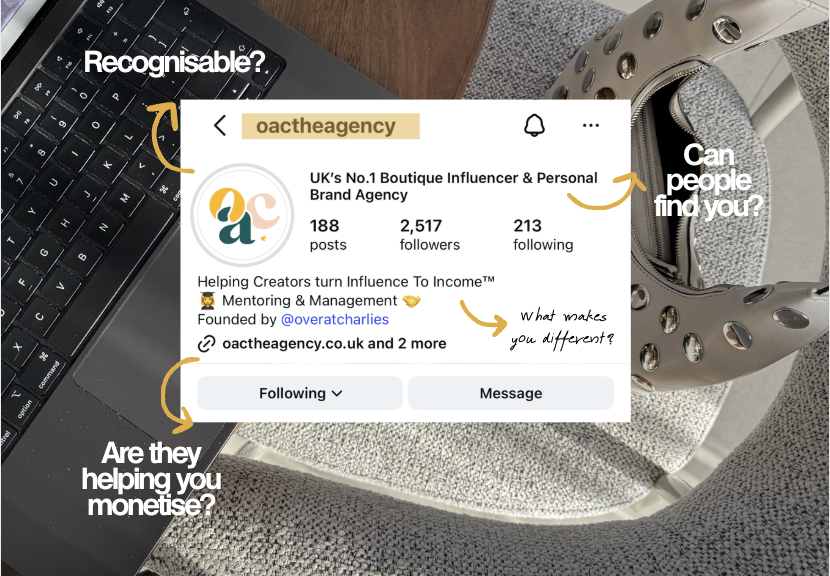
Why You’re Not Getting Brand Deals (And It’s Not Your Follower Count)
Your follower count isn’t the reason brands aren’t reaching out. Learn how to audit your Instagram profile and become the obvious choice for collaborations.
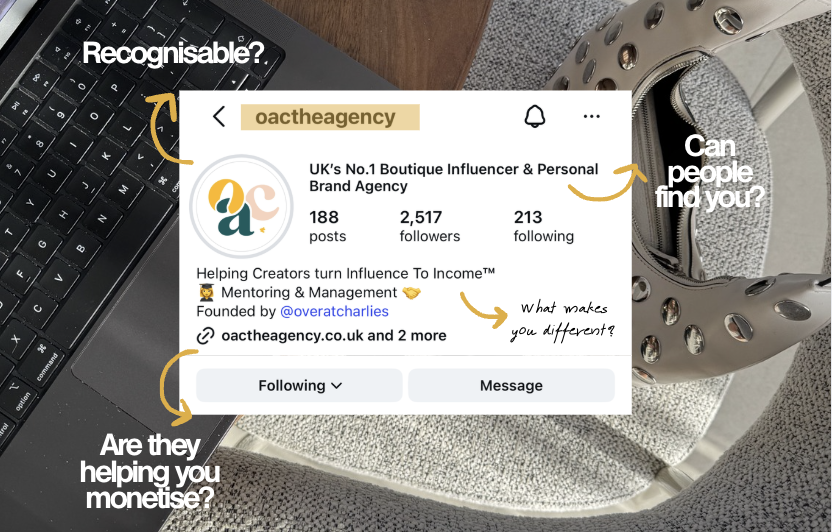
Brands Are Auditing Your Profile
Before a brand ever sends you an email or slides into your DMs, they’re already making decisions about whether you’re the right fit.
Your Instagram profile has become your portfolio, your CV and your first impression, all rolled into one.
Within seconds of landing on your page, brands are asking themselves questions like:
Can this creator represent our brand professionally?
Does their content feel authentic and trustworthy?
Can they naturally integrate products into their content?
Does their audience align with our target customer?
Does their profile feel strategic, or are they simply posting without direction?
If the answer to those questions isn’t immediately clear, they’ll likely move on to another creator.
It’s Not About Looking Perfect
Many creators believe they need expensive equipment, viral videos or a huge audience before they’ll be taken seriously.
But that’s rarely what brands are looking for.
Brands want creators who understand their audience, communicate clearly and know how to create content that feels authentic while delivering results.
Often, it’s the small strategic improvements that make the biggest difference.
The Areas Every Creator Should Audit
Your First Impression
If someone lands on your profile today, would they immediately understand:
Who you are?
What type of content you create?
Why they should follow you?
Why a brand should work with you?
Your pinned posts, bio and profile all work together to answer these questions.
Your Brand Integration
One of the easiest ways to demonstrate your value to brands is by showing them what working with you could look like.
This doesn’t mean creating endless adverts.
It means naturally incorporating products you genuinely use, telling authentic stories and creating content that makes it easy for brands to picture themselves on your page.
Your Searchability
Instagram is becoming increasingly searchable.
Using relevant keywords in your captions, on-screen text and profile can help both brands and your ideal audience discover your content more easily.
Your Content Quality
Content quality isn’t about having the most expensive camera.
It’s about asking yourself:
Does my content grab attention?
Is my editing engaging?
Am I providing value?
Would someone stop scrolling to watch this?
Brands invest in creators who know how to capture and keep attention.
Your Links and Calls to Action
Once someone visits your profile, where do they go next?
Your link in bio should make it simple for brands, followers and potential collaborators to take the next step—whether that’s viewing your media kit, browsing your affiliate links or discovering more ways to work with you.
Small Changes Can Lead to Big Opportunities
One of the biggest mistakes creators make is assuming they need to completely reinvent their content.
In reality, you’re often only a few strategic tweaks away from becoming a much stronger choice for brands.
A clearer profile.
A stronger first impression.
More intentional content.
Better positioning.
These small improvements can completely change how your account is perceived.
Audit Your Account Like a Brand Would
That’s exactly why Charlie created our AUDIT APP.
Instead of guessing what’s holding you back, the app helps you assess your profile from a brand’s perspective, identify your strengths and uncover the areas that need attention.
Think of it as having Charlie audit your account, but in a format you can complete yourself, in your own time.
And if you’d like to see these strategies in action, head over to Charlie’s Instagram, where she’s auditing real creator accounts and sharing practical improvements you can implement immediately.
Because the creators landing the best brand deals aren’t always the ones with the biggest audiences.
They’re the ones with the strongest positioning.
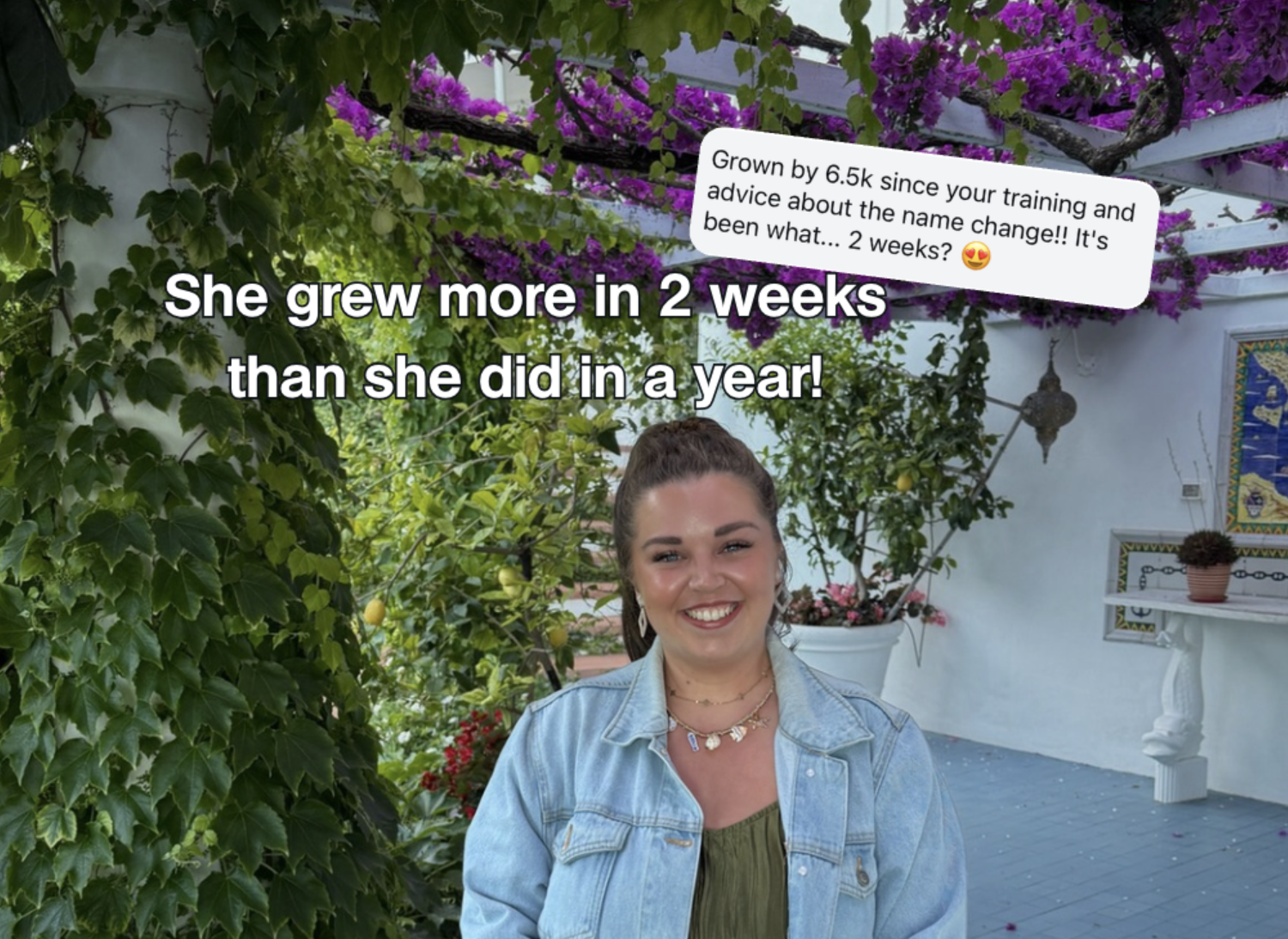
She Grew More in Two Weeks Than She Did in a Year. Here’s Why.
She grew more in two weeks than she had in an entire year, but it wasn’t because of a viral reel or a lucky algorithm boost. Discover how refining her personal brand, clarifying her positioning and creating with intention transformed not only her growth, but her confidence as a creator too.
If you’ve ever felt like you’re doing everything you can to grow your Instagram, yet nothing seems to be moving the needle, you’re certainly not alone.
You’re showing up consistently, spending hours creating content and experimenting with new ideas, but you’re still left wondering why your audience isn’t growing or why the brand partnerships you dream of haven’t materialised.
One of the biggest misconceptions in the creator industry is that growth comes from posting more. While consistency is important, simply creating more content won’t automatically lead to more followers, stronger engagement or better opportunities. Sustainable growth happens when people immediately understand who you are, what you stand for and why they should follow you. That’s where a strong personal brand becomes your biggest asset.
This was exactly the challenge one of our clients faced.
After her original Instagram account was permanently removed by Meta, she found herself back at square one. Overnight, she lost the audience she had worked so hard to build. While rebuilding an account is daunting enough, the biggest hurdle wasn’t starting again, it was figuring out how to do it differently this time.
Without a clear strategy, every post felt like a guess. She found herself questioning what to share, wondering whether people would connect with her content and slowly losing the confidence and excitement she once had for creating. Like many creators, she believed the answer was to post more frequently or jump on the latest trends. In reality, she needed something far more valuable, a clear personal brand.
When we worked together inside Influence to Income™, our focus wasn’t on trying to “beat” the algorithm. We didn’t spend hours discussing trending audios or viral hooks. Instead, we went back to the foundations that create long-term success.
Together, we refined her positioning, uncovered what genuinely made her different and developed a content strategy that reflected her personality rather than someone else’s. We focused on helping her communicate her expertise with confidence, creating content that felt authentic instead of forced. Once she stopped trying to fit into what she thought Instagram wanted, everything became much clearer.
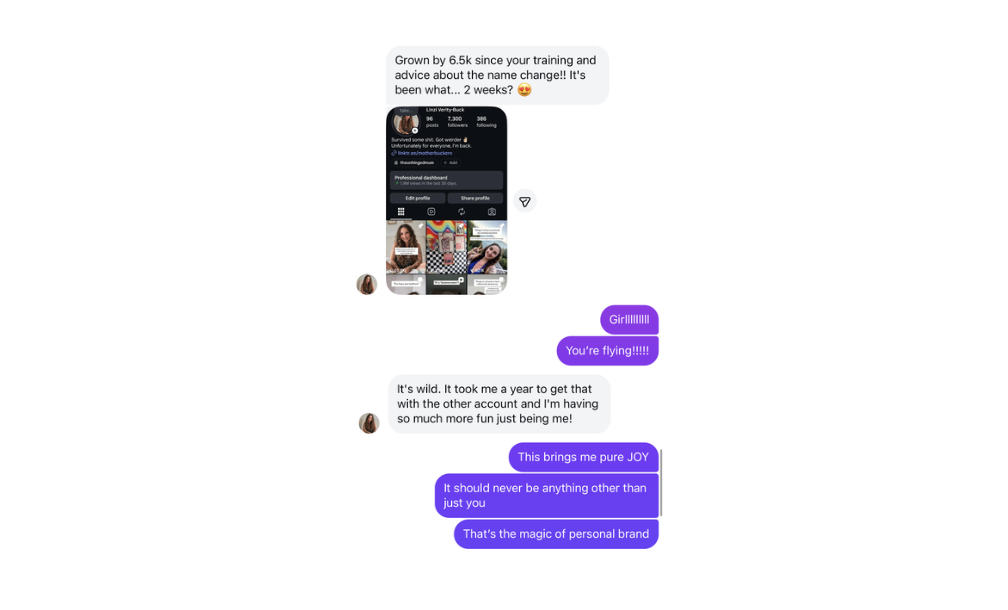
The results spoke for themselves.
Just two weeks after implementing her new strategy, she sent us a message to say she’d grown by 6,500 followers. Even more remarkably, she’d achieved more growth in those two weeks than she had managed over the course of the previous year.
As exciting as those numbers are, they weren’t the part of her message that stood out most to me.
She said,“I’m having so much more fun just being me.”
That single sentence perfectly captures what building a personal brand should feel like. When you’re no longer trying to imitate other creators or second-guess every piece of content, showing up online becomes enjoyable again. You stop creating for the algorithm and start creating for your audience.
This is also why personal branding is so important when it comes to working with brands. Companies aren’t simply looking for creators with large audiences, they’re looking for creators with a clear identity, a defined niche and a community that trusts them. They want to understand what you stand for, who you influence and why your audience listens to what you have to say.
When those foundations are in place, attracting brand partnerships becomes much easier. Your content naturally communicates your value, your messaging becomes more consistent and pitching yourself feels far more confident because you know exactly what makes you different.
That’s exactly why I created Influence to Income™.
This three-month, one-to-one mentoring programme is designed for creators who know they’re capable of more but need a clear strategy to get there. Together, we’ll refine your personal brand, strengthen your positioning, create a content strategy that aligns with your long-term goals and build the confidence to attract the right opportunities. We’ll also focus on turning your audience into a sustainable business by helping you position yourself for aligned brand partnerships and consistent income.
Because building a successful creator business isn’t about chasing every trend or hoping one reel goes viral. It’s about becoming known for something, building trust with your audience and creating a brand that people remember.
If you’re ready to stop guessing and start building a creator business with purpose, Influence to Income™ could be the next step you’ve been looking for.
Find out more here
Book a discovery call here
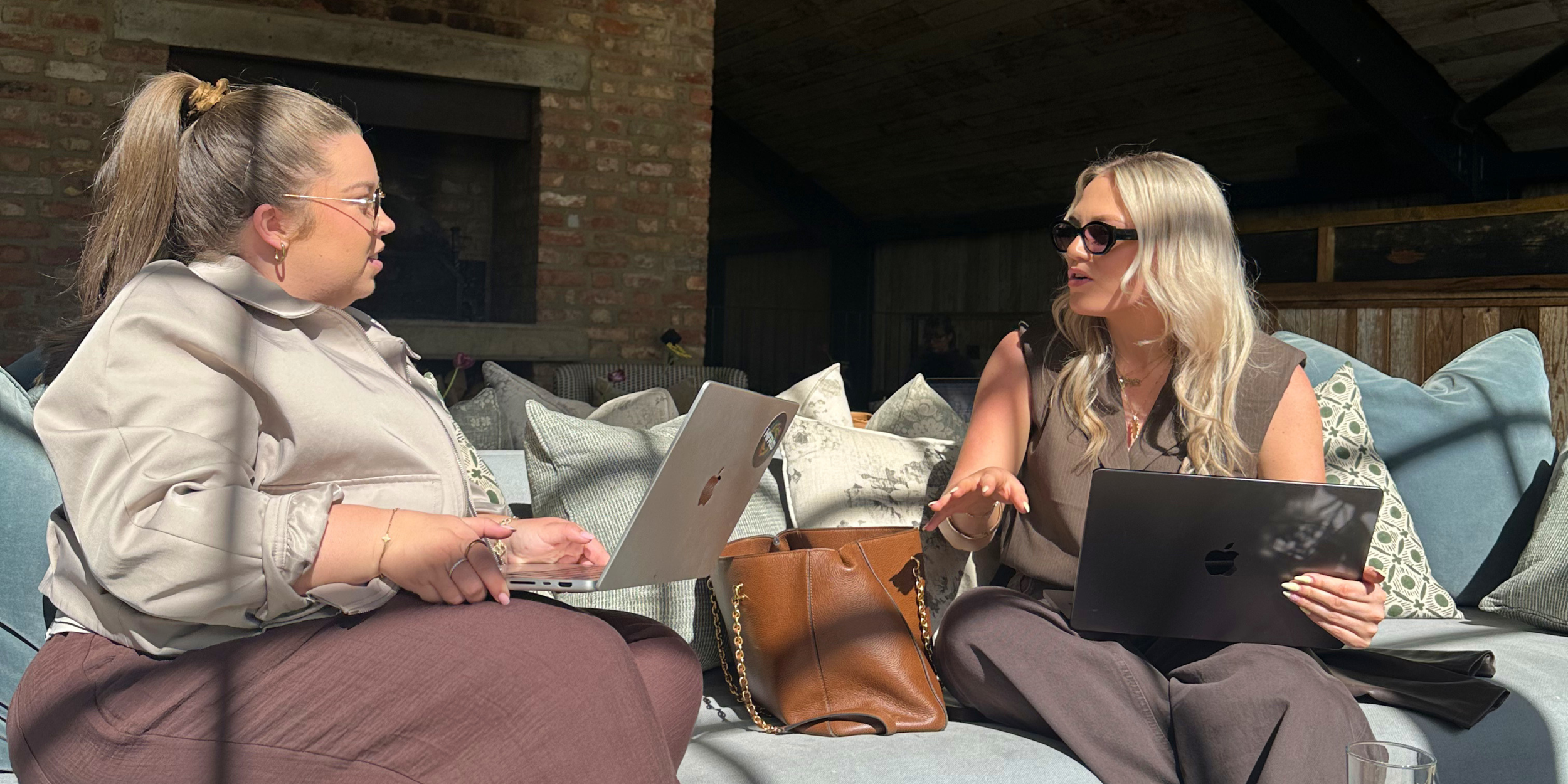
The real reason brand trips are taking over the internet
Brand trips are dividing the internet right now, but after hosting our own retreat, I think most people are missing what’s actually happening beneath the surface. This isn’t just about aesthetics, it’s about how brands are quietly shifting from content to culture, and why experiences like the TALA retreat are getting so much attention. In the creator economy, the real strategy is no longer just what you post… it’s what you build people into.
Brand trips are dividing the internet right now, but after hosting our own retreat, I think most of the conversation is focusing on the wrong thing entirely.
There’s been a lot of debate around whether these kinds of experiences are “too curated” or “out of touch”, but what’s actually happening beneath the surface is a shift in how brands are being built altogether. Because the best founder-led retreats were never really about luxury hotels or aesthetic content. They’ve always been about something far more strategic… creating a world people want to belong to.
We’re moving into a phase of the creator economy where traditional marketing levers don’t hold the same weight they once did. People aren’t just buying products anymore, they’re buying into identity, community, culture and belonging. And that changes the role of experiences like brand trips completely.
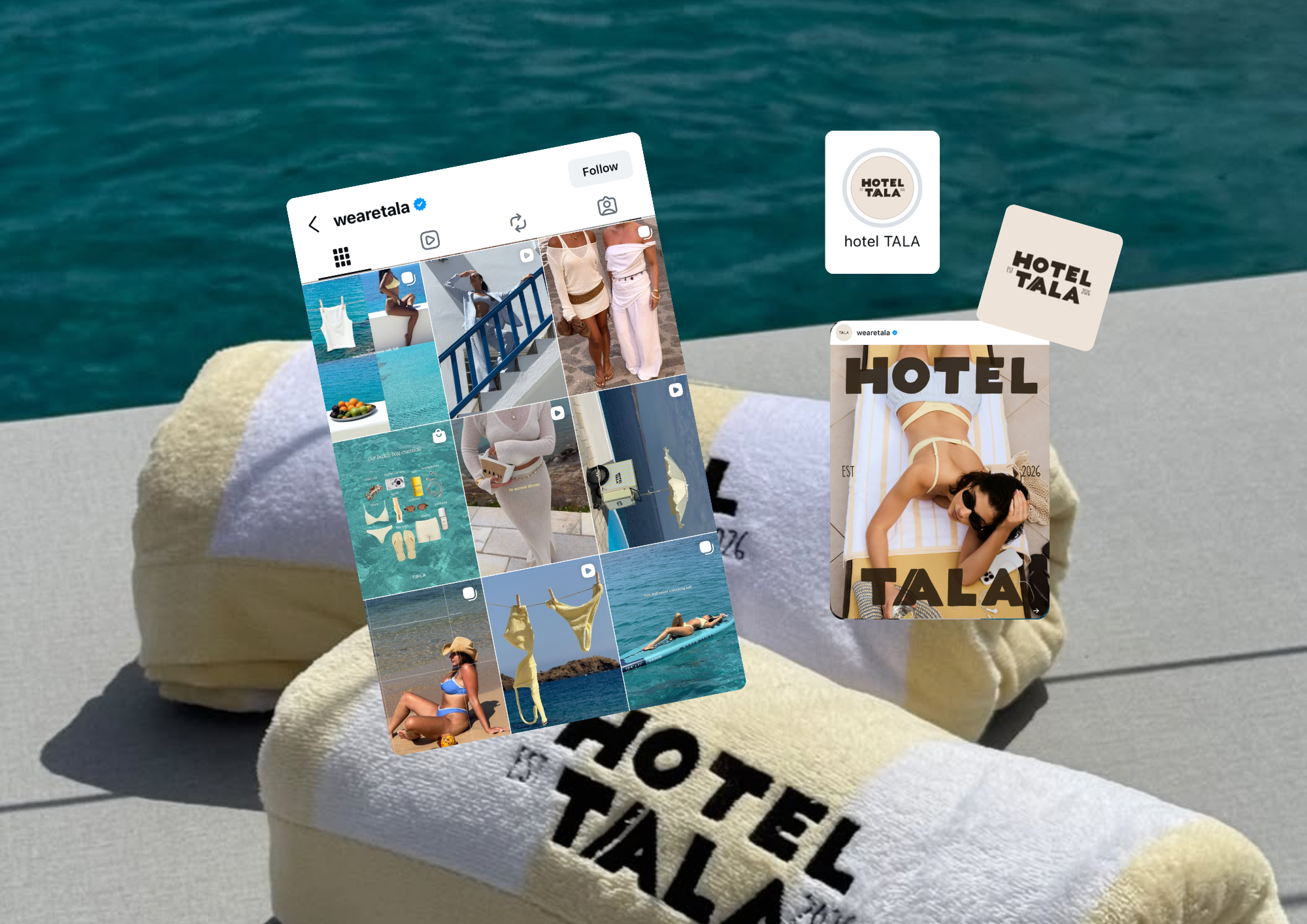
A really clear example of this is the TALA retreat, which took over the internet not because audiences suddenly needed more activewear,
but because it represented something bigger. It gave people a sense of access, aspiration and proximity to the brand itself. It wasn’t just a campaign moment, it became a cultural one.
And that’s where the strategy becomes interesting.
When you bring multiple creators into the same experience and allow them to document it through their own perspectives, the narrative stops being controlled and starts becoming distributed. The brand message travels further, but more importantly, it becomes more human. It feels lived in, not manufactured. That’s what gives it cultural weight.
After hosting our own retreat, this became even more obvious to me. The return on investment wasn’t just the content that came out of it, although that’s always a benefit. It was the intangible outcomes that are much harder to replicate online: deeper community connection, stronger relationships, shared values, increased trust, and a shift in how the brand itself is perceived.
Because in reality, a retreat isn’t just an extension of content strategy. It is the brand, played out in real life. The people in the room, the conversations that happen, the energy that’s created, the speakers you bring in, all of that becomes the most accurate expression of what your brand actually stands for.
And that’s why this matters.
The future of marketing is no longer just about visibility. It’s about creating environments people can emotionally step into. It’s about intentional time, shared experiences, and turning online communities into real-world relationships that deepen over time.
That’s what brand trips are evolving into. Not just content opportunities, but cultural infrastructure for brands that want to mean something beyond the screen.
And having now hosted our own, it’s very clear why the most impactful brands are investing in them, not for what they produce online, but for the worlds they build offline.
The Biggest Return on Investment From Ladies Who Launch Wasn't What I Expected
The biggest lesson from Ladies Who Launch wasn't a business strategy or networking opportunity. It was the reminder that many founders are far more qualified than they are visible. Here's why visibility, not just expertise, is often the missing piece between where you are now and the opportunities you're looking for.
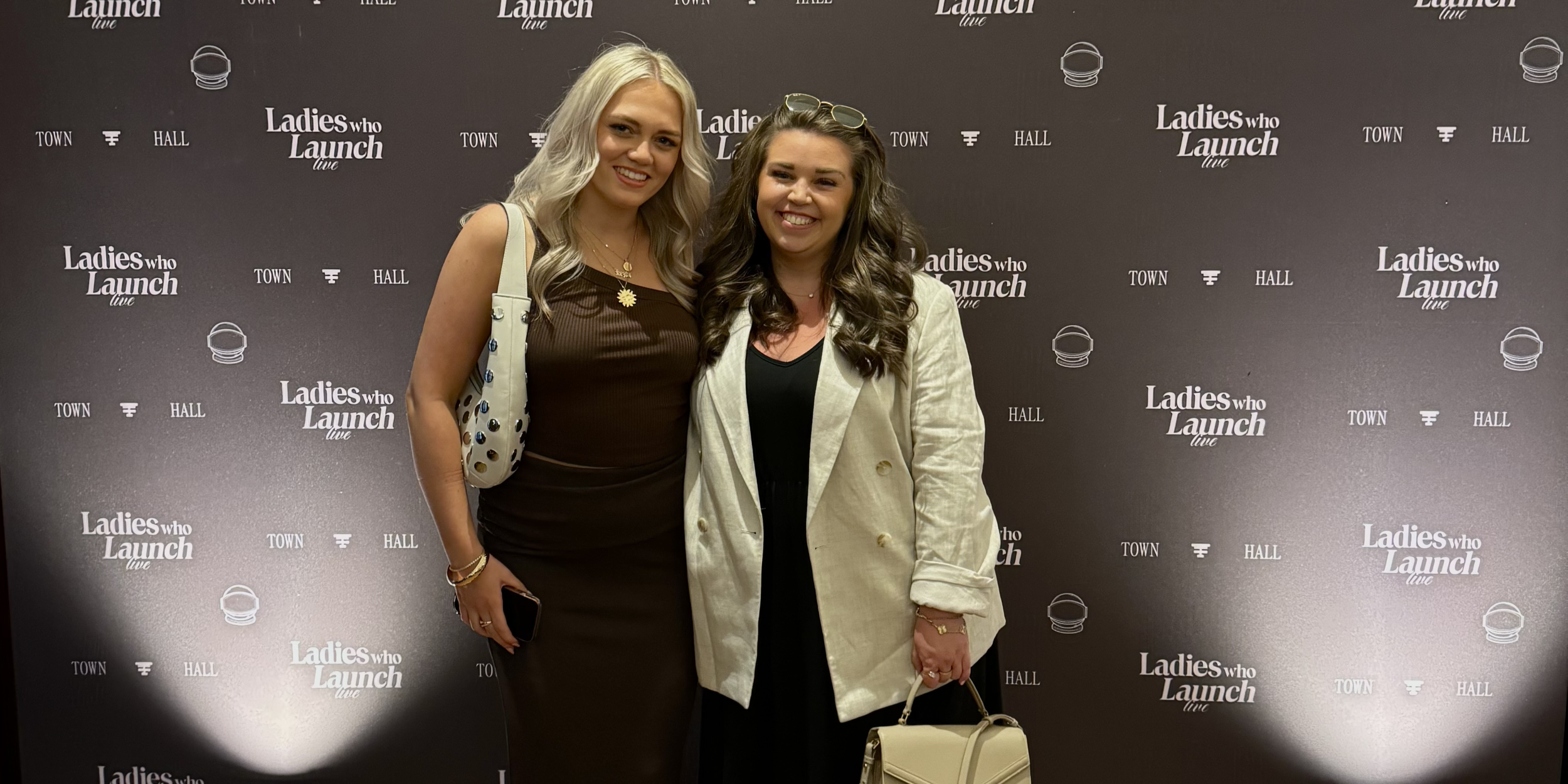
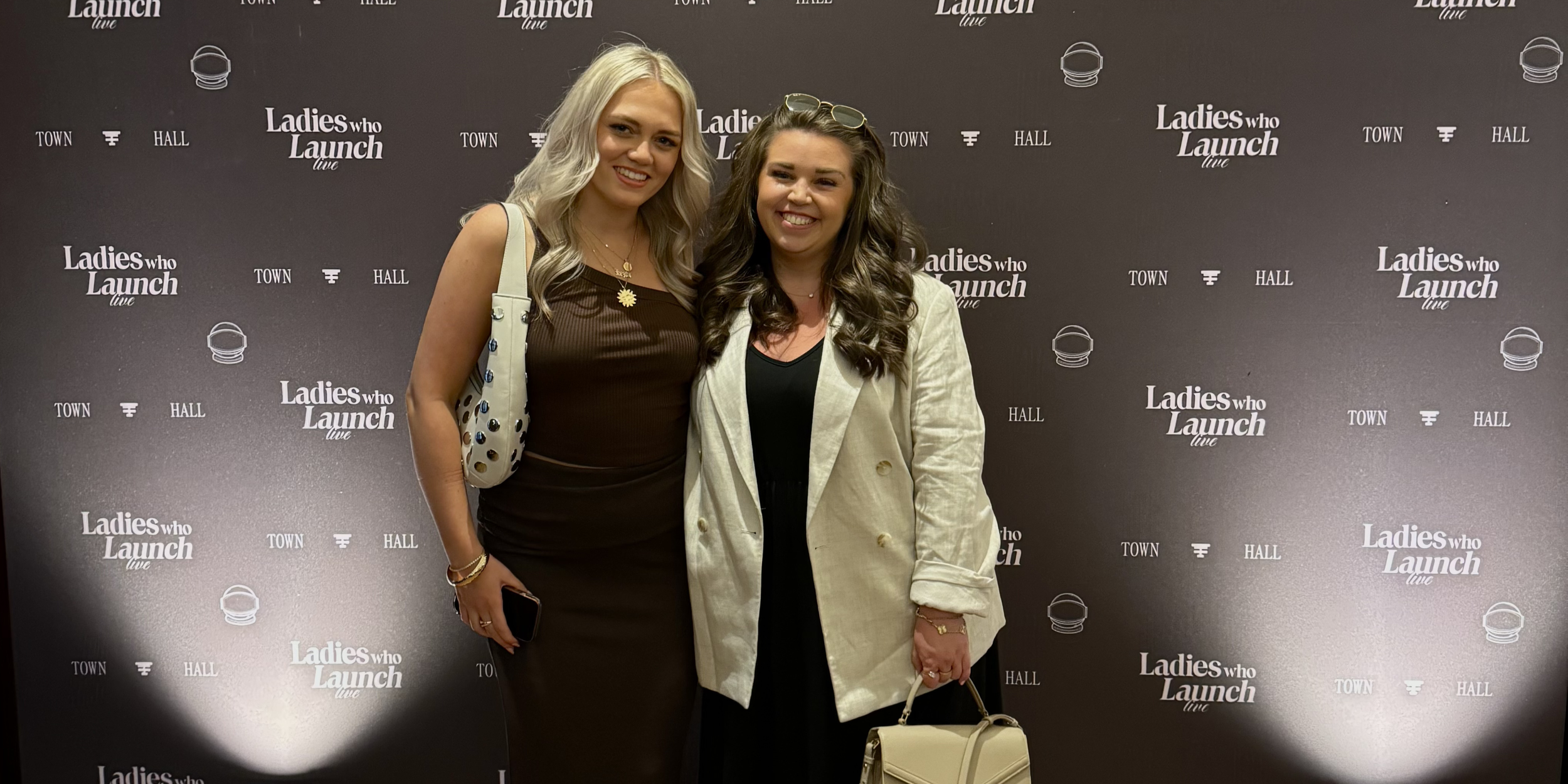
Recently, I attended Ladies Who Launch, an event bringing together ambitious female founders from a huge range of industries and stages of business. Like most people attending, I arrived expecting to leave with a notebook full of ideas, new strategies to implement, and plenty of inspiration from the speakers on stage.
And whilst all of those things certainly happened, the biggest return on investment from the weekend wasn't the keynote talks, the networking opportunities, or even the practical business advice that was shared throughout the day.
Instead, it came from something much simpler…
It was the reminder that no matter what stage of business you're at, very few people feel like they have everything figured out.
As business owners, it's easy to look around and assume everyone else is operating with more confidence than we are. Social media has a way of making success look incredibly certain. We see the launches, the milestones, the sold-out offers, the team growth, the media features, and the speaking opportunities. What we rarely see are the internal conversations that happen behind the scenes.
The truth is that many of the founders in that room, despite their experience and success, were asking themselves the same questions many business owners ask every day. Questions about whether they're focusing on the right things, whether they're making the best decisions for their business, whether they're moving quickly enough, and whether they're doing enough to reach their goals.
There was something incredibly reassuring about being reminded that self-doubt doesn't suddenly disappear when you reach a certain revenue milestone or level of success. In many ways, uncertainty is simply part of building something meaningful. Every founder is making decisions based on the information they have at the time, taking calculated risks, testing ideas, and learning as they go.
For me, that alone made the event worthwhile.
However, there was another observation that stayed with me long after the event had finished.
As I listened to conversations and learned more about the women in the room, I was struck by just how much expertise, knowledge, and experience was sitting around me. There were founders who had built incredible businesses, solved meaningful problems for their clients, and developed years of industry expertise. Many had achieved things that others aspire to achieve.
Yet despite having all of that knowledge and credibility, many of them weren't particularly visible.
And that's where I think so many brilliant business owners get stuck.
We've been taught that the most important thing is becoming good at what we do. So we invest in qualifications, refine our services, improve our client experience, and focus on delivering exceptional results. All of those things matter. In fact, they're essential.
But expertise alone doesn't create opportunities.
The reality is that opportunities tend to flow towards people who are both credible and visible.
You can be the best person in your industry at what you do, but if nobody knows who you are, opportunities become much harder to attract. The podcast invitation can't arrive if the host has never heard of you. The speaking opportunity can't land in your inbox if event organisers don't know you exist. The ideal client can't choose you if they never come across your content.
This is why personal branding has become such an important part of business growth.
Not because everyone needs to become an influencer. Not because vanity metrics matter. And not because visibility should come before expertise.
But because visibility allows your expertise to travel further than your immediate network.
When people consistently see your insights, your perspective, your experience, and your work, they begin to associate you with a particular area of expertise. Over time, that familiarity builds trust. And trust creates opportunities.
One of the phrases we often use with our clients is becoming "the obvious choice."
The Obvious Choice isn't always the most qualified person in the room. Often, they're simply the person who has done the best job of communicating their value, sharing their expertise, and building recognition around what they do.
That's ultimately what I took away from Ladies Who Launch.
The room wasn't lacking talent. It wasn't lacking expertise. It wasn't lacking ambition.
If anything, it was full of women who had already built incredible foundations.
What many of them needed wasn't another qualification, another course, or another strategy. They needed more people to know who they were and what they stood for.
Because the opportunities we want most often begin with visibility.
The partnership.
The referral.
The speaking engagement.
The collaboration.
The client enquiry.
The media feature.
These opportunities rarely happen in isolation. They happen because somebody knows your name, understands what you do, and trusts that you can help.
So if you’re building an incredible business but still feel like you’re one of your industry’s best-kept secrets, perhaps the next stage of growth isn’t about becoming better.
Perhaps it’s about becoming more visible.
Because recognition creates opportunity, and the businesses that grow the fastest are often the ones that ensure their expertise is seen by the people who need it most.
So, ask yourself: are you truly lacking expertise, or are you lacking visibility?
For many founders, the next stage of growth doesn’t come from learning more. It comes from making sure the right people understand who you are, what you do, and why you’re the obvious choice.
If you’re ready to build a personal brand that creates greater visibility, authority, and opportunities, book a discovery call and let’s explore how we can help you become the obvious choice in your industry.

“I genuinely thought I had everything figured out… until I did this one thing.”
My client thought had her strategy figured out… until one conversation completely changed how she saw her own business. It was a reminder that even the most confident founders often need an outside perspective to see what they can’t.

One of our new retainer clients recently said something that really stuck with me. She told me she genuinely thought she had her strategy figured out, until we went through a session together.
I think that’s something a lot of founders would quietly relate to.
Before the session, she came in feeling pretty confident in the direction she was already taking. She wasn’t unsure or lost, in fact, she felt like she had things fairly under control, and wasn’t even completely certain she needed external input.
And I understand that completely.
When you’re inside your own business every single day, it becomes incredibly difficult to see it objectively. You’re so close to everything that it all starts to feel clear, even when there are gaps you’re no longer noticing. Missed opportunities blend into your normal. Misalignment doesn’t always feel like misalignment when you’re the one living it.
That’s exactly what happened here.
By the end of the session, she said something else that stayed with me. She said she didn’t realise how in-depth our strategy sessions actually were.
So I wanted to pull back the curtain on what actually happens inside one of our strategy sessions, and why they tend to create such a noticeable change in clarity.
Our strategy sessions are designed as a full-day deep dive into your personal brand. They’re not surface-level reviews, and they’re not just content planning sessions. They’re built to give complete clarity on your direction, positioning, and long-term opportunity.
We call it building your Unforgettable Advantage.
Because your personal brand is never just about what you post online. It’s the foundation for everything you build, attract, and become known for.
We always begin with foundations and mindset. Before we even talk about strategy or content, we focus on making sure you’re building from a place of clarity rather than overwhelm. So many people try to grow from confusion without realising how much that slows everything down.
Once that’s in place, we move into discovery, values, and positioning. This is where we define what you actually stand for, what makes you different, and why people should pay attention to you specifically. It’s about stepping away from generic messaging and getting clear on your actual point of view in your space.
From there, we refine your audience strategy. One of the most common challenges we see is people trying to speak to everyone at once. So we simplify that. We get clear on who you’re really speaking to, and how your content can start landing with the right people in a more intentional way.
After that, we move into optimisation and revenue. This is where we look at how your personal brand can actually become a growth tool, not just a visibility tool. Because content on its own is never the end goal. It’s what that content leads to that matters.
And finally, we pull everything together into a clear roadmap. You leave knowing exactly what to focus on next, what to prioritise, and what to stop overthinking. It becomes simple, structured, and actionable.
The biggest shift that usually happens isn’t that people leave with brand new ideas. It’s that they finally see their brand clearly again. They’re able to step back, realign everything, and move forward with intention instead of guesswork.
That’s the moment everything starts to click.
Alongside the strategy session, we also include our Ultimate Pitching Guide. This is designed to help clients confidently land brand opportunities and turn visibility into income. It covers everything from positioning yourself as a strong collaborator, to follow-ups that actually get responses, to pricing, negotiation, and how to pitch in a way that doesn’t get ignored.
Because strategy doesn’t end with clarity. It continues into execution.
If you’ve been feeling stuck, unclear, or like your content doesn’t fully reflect the direction you want to go in, this is exactly the kind of space these sessions are designed for. It’s a reset. A refocus. And a proper plan you can actually move forward with.
If you’re feeling stuck or want clarity on your personal brand, you can reach out to us at info@oacmarketing.co.uk.
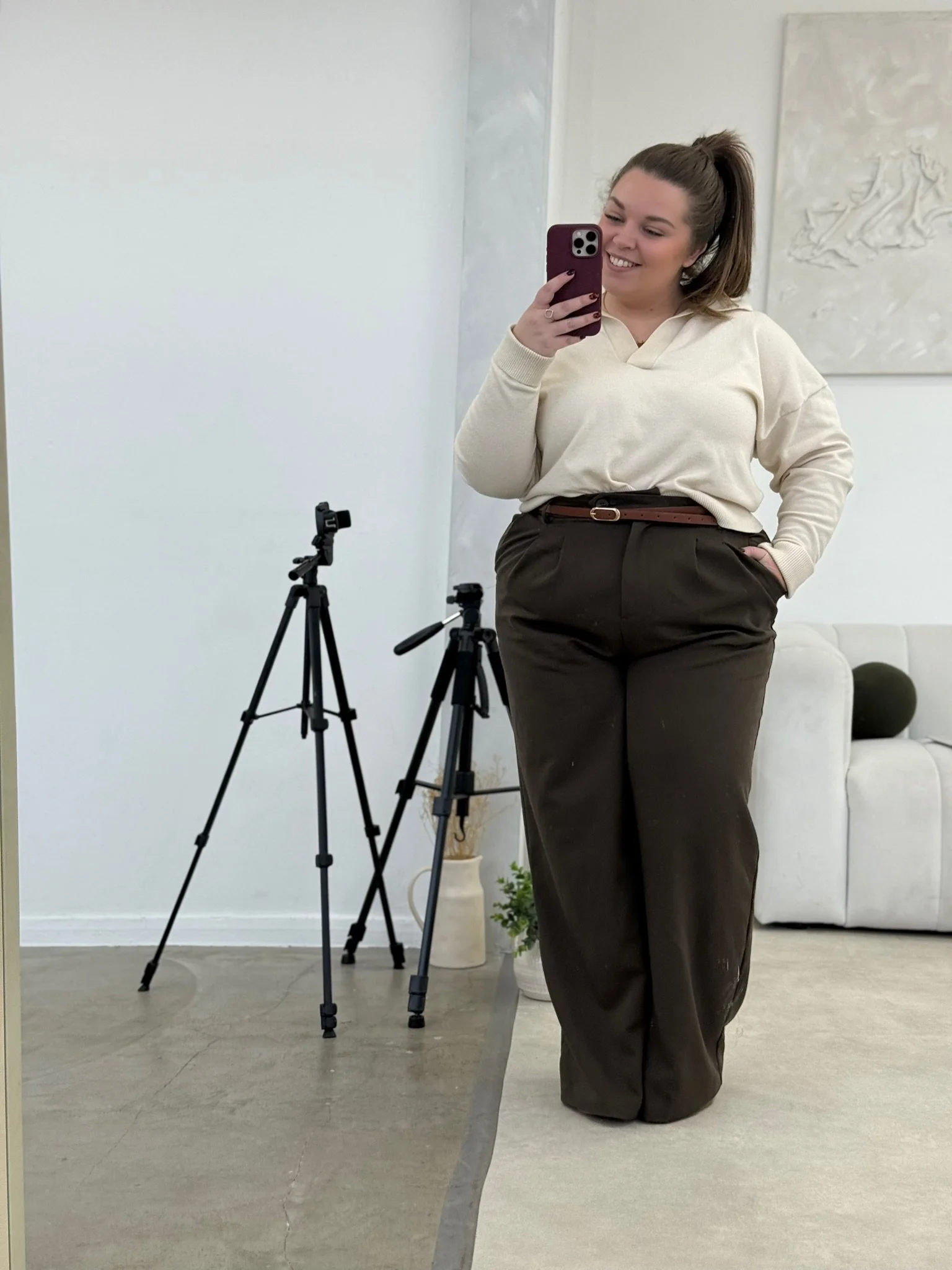
If you’re a female founder feeling burnt out and like you’re failing, read this.
Burnout in business is often misunderstood, in reality it usually comes from trying to do too much in too many directions. This blog explores why so many female founders feel overwhelmed, what actually drives sustainable growth, and the mindset shifts needed to regain clarity, focus, and control of your time.
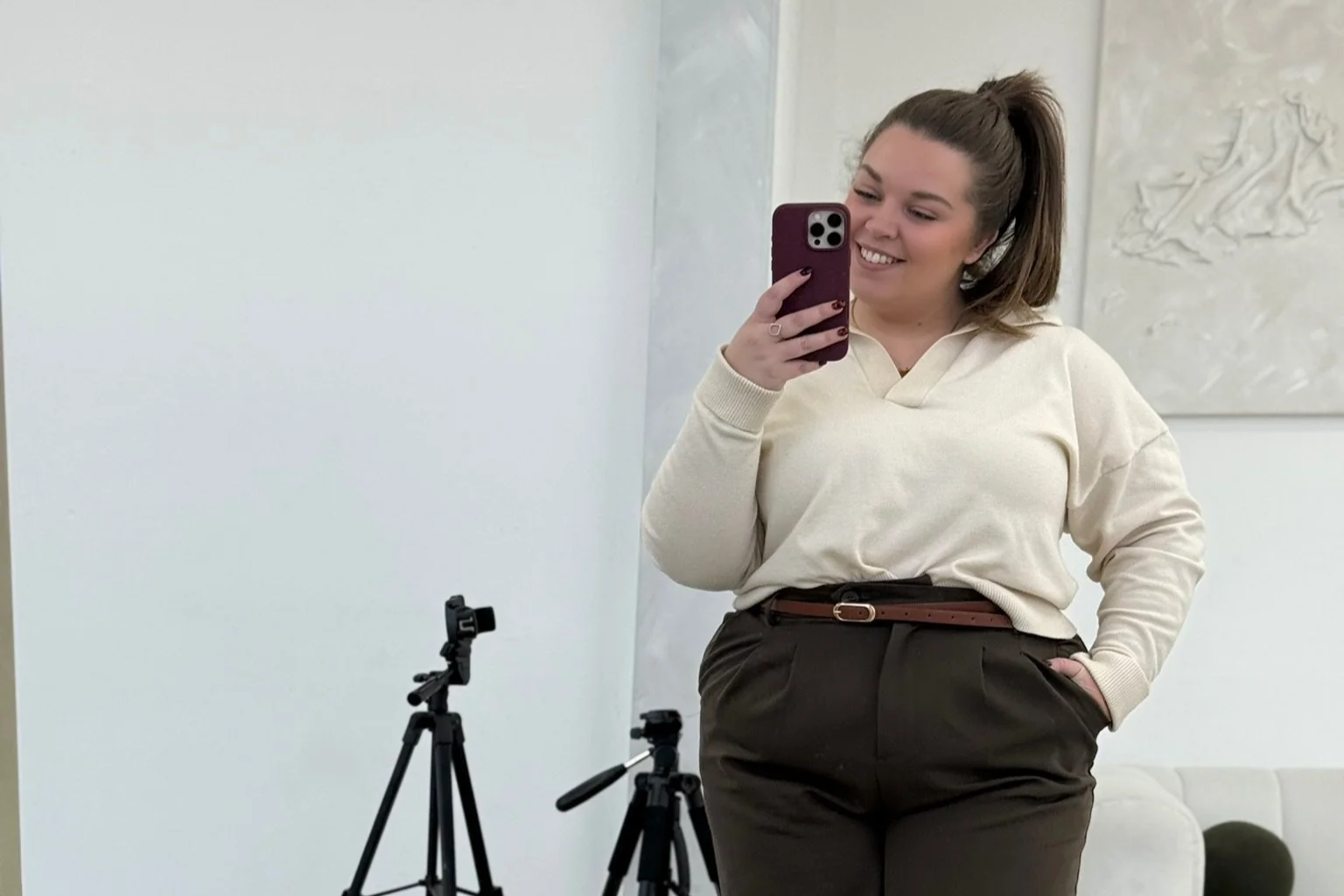
There are certain seasons in business where everything feels like it is happening all at once, and no matter how much effort you put in, you still feel like you are slightly behind everything.
You are trying to grow your business, stay consistent with your content, serve clients well, think strategically about the future, and keep up with the day-to-day demands of running a company. Somewhere in the middle of all of that, it can start to feel like you are constantly playing catch-up rather than actually moving forward.
I have experienced this more than once in my own journey, and I know how draining it can feel when you are working hard but not feeling the progress in the way you expected. Those are often the moments where things feel the heaviest, not because you do not care, but because you are trying to hold everything together at once.
If that is where you are right now, I want to be really clear: you are not failing. You are simply stretched too thin in too many directions at the same time.
Burnout does not usually come from a lack of effort
One of the biggest misconceptions in business is that burnout is a result of not working hard enough or not being disciplined enough. In reality, it is often the opposite.
Most burnout comes from over-efforting in areas that are not actually moving your business forward. It comes from trying to grow without clarity, trying to stay consistent without direction, and trying to do everything yourself because you believe that is what being a founder requires.
The truth is, growth rarely comes from doing more. It comes from doing fewer things, but doing the right things consistently and with intention.
The founders you admire did not just work harder
When we look at successful founders, it is easy to assume they simply worked harder or pushed through more than everyone else. But when you look closer, the shift is rarely about effort alone.
More often, it is about focus. It is about reaching a point where they stopped trying to do everything and instead started concentrating their time and energy on what actually drove results.
Not everything in your business deserves equal attention. Not everything is urgent, and not everything is essential for growth. Learning to understand that distinction is often what changes everything.
What I wish someone had told me sooner
If you are in that overwhelmed, reactive stage of business right now, there are a few things I have learned that have completely changed the way I work and think.
The first is that not everything deserves your attention. A lot of what feels urgent on a daily basis is actually noise, not strategy. Learning to filter what truly drives growth versus what simply keeps you busy is one of the most important shifts you can make.
The second is that your time is your biggest asset. If something is not contributing to revenue, clarity, or long-term direction, it is worth questioning whether it actually needs your time at all. Protecting your time is one of the most powerful things you can do as a founder.
The third is that you do not need more ideas. Most founders are not stuck because they lack creativity; they are stuck because they lack clarity and focus. Simplicity and consistency almost always outperform complexity.
Finally, you are not meant to do this alone. At a certain point, growth stops coming from how hard you are working and starts coming from the structure, support, and perspective you have around you.
Burnout is often a signal, not a setback
One of the biggest mindset shifts I have had is realising that burnout is not necessarily a sign that something is wrong, but rather a signal that something needs to change.
It is often your business or your body telling you that the way you are currently working is not sustainable long term.
In those moments, the answer is not to push harder or add more to your plate. It is to step back enough to ask yourself what actually matters right now, and what does not need your energy anymore.
When you strip everything back, the answers are often much simpler than you expect.
This is where support makes a real difference
This is exactly why I created my Personal Brand Power Hour.
It is a focused one-to-one session designed to help you zoom out of the day-to-day overwhelm and get clear on what actually needs your attention in your business and personal brand right now.
We go through your biggest challenges, your unanswered questions, and your current strategy, and refine everything into something that feels clear, focused, and actionable.
It is not about adding more to your plate. It is about removing confusion so you can move forward with direction and confidence again.
It is the kind of support I wish I had earlier in my journey, especially during the moments where everything felt busy but unclear at the same time.
Final thought
If you are in a season where everything feels like a lot, I want you to know that you are not behind.
You are simply at a point where the way you are currently working may need to evolve.
And that is not failure. That is growth.

The Biggest Shifts Happening In The Creator Economy Right Now
We’re seeing a major shift in the creator economy: brands are investing differently, creators are operating like media companies, and value-led content is outperforming everything else. Here’s what you need to know.

The creator economy is no longer “up and coming.” It’s becoming one of the most influential industries in modern marketing, and from what we’re seeing behind agency doors, we’re only at the beginning.
As someone who works daily across talent management, creator partnerships, and personal brand strategy, here are the biggest shifts I believe we’re going to see next.
Brand budgets for creators will continue to grow rapidly
Creator marketing is no longer an experiment.
Brands are now seeing the direct impact creator-led campaigns have on engagement, trust, and conversions, which is why we’re seeing larger budgets being allocated to influencer partnerships than ever before.
And the biggest shift is brands are no longer just paying for reach. They’re paying for connection. Traditional ads are becoming easier to ignore, while creator content feels native to the platforms people actually spend time on.
A great example of this was the recent M&S creator leaderboard, where our roster member Jack placed 3rd for engagement. It highlighted something we’re seeing across the industry right now: creators are becoming a core part of marketing strategy, not just an additional channel.
The creators who understand storytelling, community, and audience psychology will continue to outperform.
Creators are becoming media businesses, not just influencers
The strongest creators today are building far more than content, they’re building ecosystems.
We’re moving away from the era of creators relying solely on brand deals and into a space where creators are launching products, communities, newsletters, events, memberships, podcasts, and education platforms.
The smartest creators are no longer thinking like influencers, they’re thinking like founders.
Audience attention is becoming an asset, and the creators who know how to nurture that attention beyond social media will build long-term businesses instead of short-term relevance.
In the next few years, I believe we’ll see creators operate more like modern media companies than personal brands.
Value-led content will outperform aesthetic-led content
For a long time, social media rewarded visibility. Now, it rewards usefulness.
The creators growing the fastest are the ones teaching, explaining, storytelling, documenting, and sharing perspectives people can actually apply to their own lives or businesses.
People don’t just want entertainment anymore, they want insight.
That’s why we’re seeing a major shift towards longer-form and deeper content formats that prioritise substance over surface-level trends.
Substack is becoming one of the most important platforms for creators
One of the biggest predictions I have is around the rise of Substack.
As audiences become increasingly overwhelmed by fast-paced content and constant noise, platforms centred around depth, storytelling, and expertise are becoming more valuable.
Substack gives creators something social platforms often don’t, ownership of audience attention.
It’s quickly becoming the space for genuine insight, stronger community building, and thought leadership that lasts longer than a 10-second scroll.
The creators who build direct relationships with their audience outside of algorithm-dependent platforms will be in the strongest position long term.
Real life is becoming valuable again
For years, the focus has been entirely online, more content, more platforms, more AI-generated everything.
But ironically, the more digital the world becomes, the more people are craving real human connection.
We’re already seeing a huge shift back towards in-person experiences through PR events, brand activations, retreats, networking dinners, creator trips, and community-led spaces that allow people to connect beyond a screen.
Because while AI can scale content, it can’t replicate energy, presence, or genuine interaction. And brands are starting to realise that the most memorable experiences often happen offline.
I think the creators and founders who build strong real-world communities alongside their online audience will have a major advantage over the next few years.
Maybe this is your sign to host the event, dinner, workshop, or experience you’ve been thinking about.
Because community is quickly becoming one of the most valuable currencies in the creator economy.
Final thoughts
The creator economy is maturing.
We’re entering an era where creators are no longer viewed as people “making content online,” but as modern-day brands, businesses, educators, and media companies.
And the creators who will win over the next few years won’t necessarily be the loudest. They’ll be the ones who build trust, create value, and understand how to turn audience attention into something sustainable.
The creator economy is moving fast, and these shifts are only going to accelerate from here.
If you’re a creator, founder, or brand trying to stay ahead of what’s actually happening behind the scenes, this is exactly what we break down at OAC.
We don’t just talk about trends, we work inside them. From talent management and brand partnerships to our Influence To Income™ sessions, everything we do is focused on helping creators turn their platforms into sustainable business.
But more than that, OAC is about giving back to the community that’s building this space.
So we’ve pulled together a set of free resources you can explore, practical, no-fluff downloads designed to help you understand the industry, grow your brand, and monetise your content more effectively.
If this was useful, download them here and actually put them into practice.
Because the people who win in this space aren’t just posting more… they’re understanding more.

The Exact Way I’d Transform Your Instagram Strategy
In this post, I break down exactly how I would transform your Instagram if I stepped into your account today, from defining your message and building content pillars to systemising your content and refining what actually works.

After building a personal brand and influencer marketing agency, and working closely with creators and founders at every stage of growth, I’ve noticed something consistent:
Most people don’t struggle with content.
They struggle with clarity, structure, and strategy.
Instagram isn’t a posting problem. It’s a positioning problem.
So if I was starting your Instagram from scratch today, this is exactly where I would begin.
1. Define your message (your positioning)
Before anything else, you need to get clear on what you actually stand for.
Not:
“What do I post today?”
But:
“What do I want to be known for?”
This is your positioning. It’s the foundation of your entire personal brand.
In practice, I always get clients to simplify this into one sentence:
“I help people understand…”
If you can’t complete that sentence clearly, your audience won’t understand it either.
The strongest personal brands are not the ones with the most content, they are the ones with the clearest message.
Clarity always comes first. Content comes after.
2. Build content pillars (your structure)
Once your message is clear, you need structure around it, this is where content pillars come in.
You need 3 to 4 core themes your content consistently sits inside. These become the lanes your ideas live in.
This does three important things:
creates consistency
builds recognition over time
establishes authority in your niche
Without this, your content will lack direction and consistency. You’ll end up reacting to trends instead of building a brand narrative.
Content pillars are what turn scattered posts into a cohesive identity.
3. Show up like a person, not a brand
The fastest-growing personal brands all have one thing in common:
They feel human.
Not polished. Not corporate. Not over-produced.
Human.
That means:
showing your face regularly
sharing clear opinions
leading with perspective, not perfection
prioritising consistency over polish
This is something I’ve seen repeatedly working with creators and personal brands, the ones who grow aren’t necessarily the most “aesthetic”, they’re the most present.
People don’t connect with aesthetics, they connect with people.
Your audience isn’t looking for perfection, they’re looking for someone they can understand, relate to, and follow consistently.
4. Systemise your content
One of the biggest reasons people burn out on Instagram is because they treat content like a daily decision-making process.
Creativity without structure becomes exhausting very quickly and that’s why systemising your content is essential.
You need:
a simple weekly structure (what you post and when)
batching sessions (creating in focused blocks, not daily chaos)
scheduling tools to remove pressure and decision fatigue
repeatable formats that you can refine over time
This is something we implement across all client accounts inside our agency.
Consistency is not about motivation, it’s about systems. When content is systemised, you stop relying on inspiration and start relying on process.
That’s when growth becomes sustainable.
5. Experiment intentionally
Instagram is not static. It never has been.
What works today may not work in six months, which is why the best creators are constantly testing and refining.
But the key difference is they don’t experiment randomly, they experiment intentionally.
That means testing:
hooks and opening lines
content formats (Reels, carousels, text posts)
storytelling styles and angles
delivery and pacing
But always filtering it through one question:
“What is actually landing with my audience?”
This is where most people go wrong, they chase trends instead of learning patterns.
The goal is not just to post, the goal is to learn what works, then double down on it.
Final thought: strategy compounds
Growth on Instagram isn’t about posting more.
It’s about strategy: clarity, consistency, and disciplined refinement.
When you combine those three things, you stop guessing and start building something that compounds over time. And that’s the difference between someone who posts content and someone who builds a personal brand.
If you’re ready to take your socials seriously and want them fully covered with strategy, content and consistency, our monthly retainer is designed to do exactly that, taking the pressure off you while building a personal brand that actually grows.
Or, if you’re just getting started and want clarity on your direction, our Personal Brand Power Hour is the perfect place to begin, a focused session to define your message, sharpen your positioning, and map out your next steps with confidence.
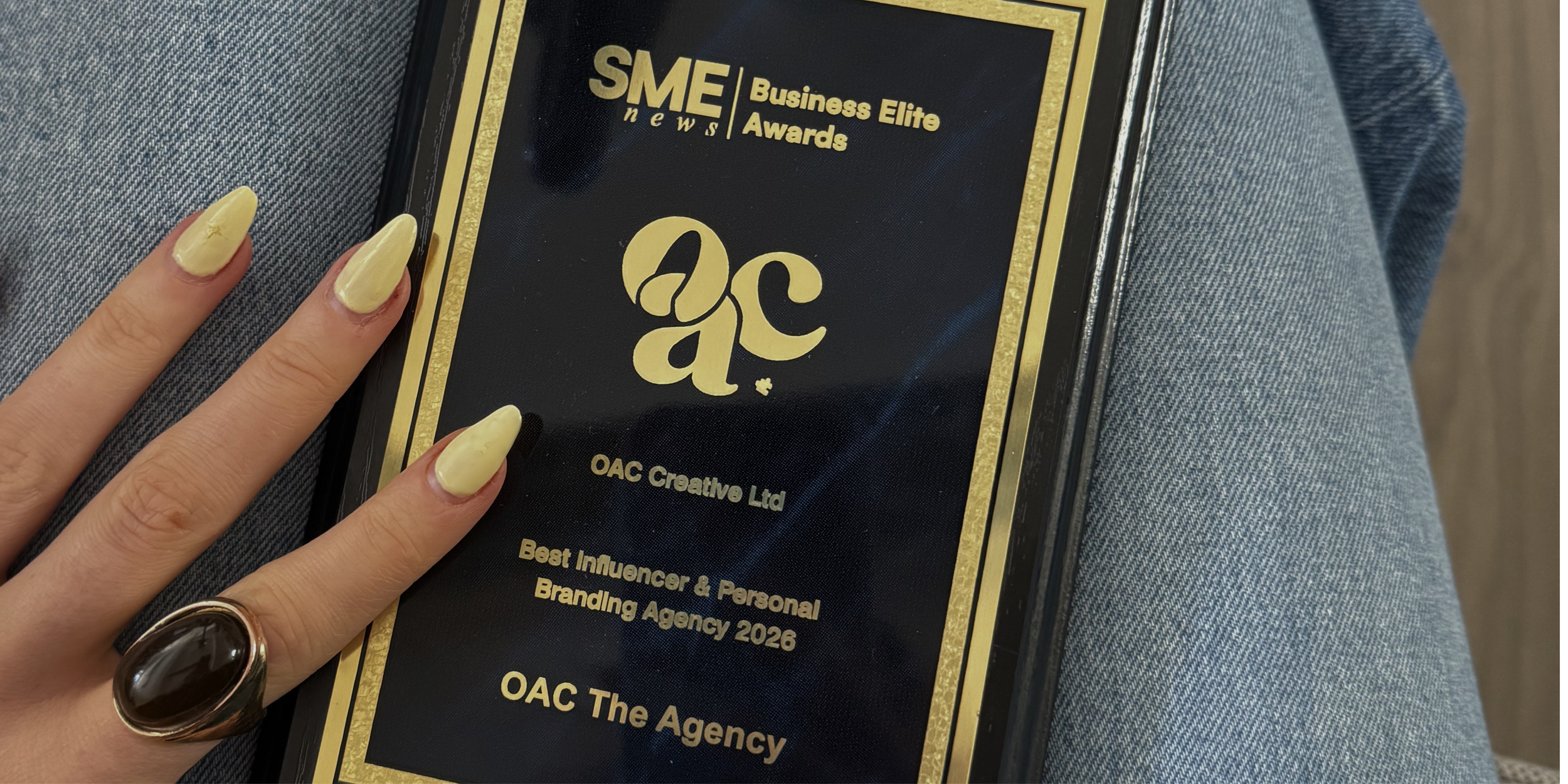
I Didn’t Set Out to Build an Award-Winning Agency
We have been named Best Influencer & Personal Branding Agency 2026! and here’s the journey of how we got here.
OAC started as a simple idea rooted in a gap I experienced myself. I wanted to build an agency that didn’t just focus on posting content, but actually understood how personal brands are shaped and how to turn your Influence To Income™.
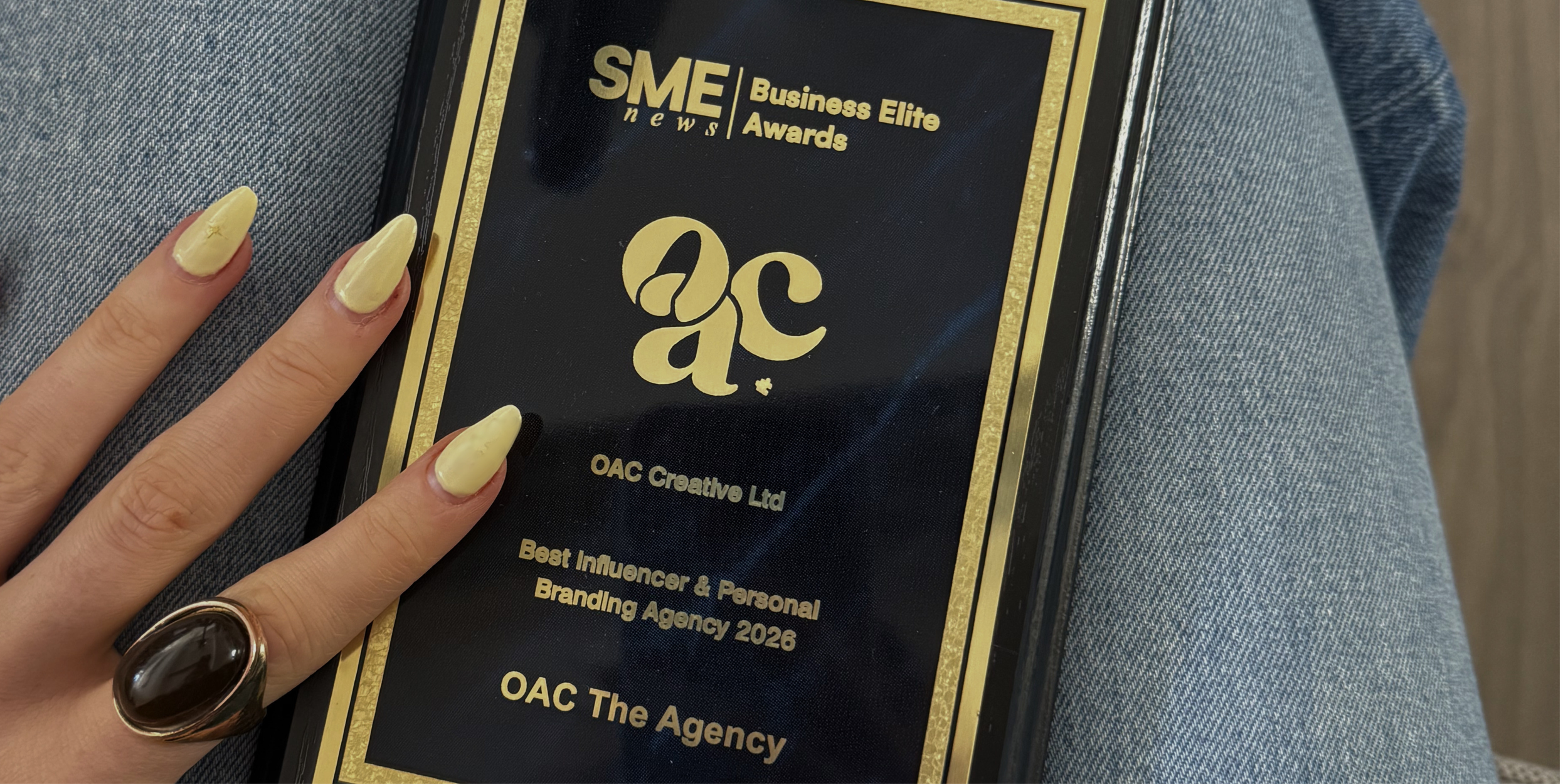
I didn’t set out to build an “award-winning agency”, I set out to solve a problem I lived myself.
As a creator, I knew what it felt like to have an audience, but no real clarity on what to do with it.
I was posting and growing, but behind the scenes there was no structure, no roadmap, and no real strategy guiding it. And that’s when it started to feel limiting, because growth without direction still leaves you feeling stuck.
The Problem I Couldn’t Ignore
What I kept seeing, both in my own experience and across the creator space, was talented people building engagement with their audience, but not building anything sustainable with it. There was content, but no clarity, visibility, but no strategy, momentum, but no direction.
And I knew there was more to build from that…
So I Built What I Wish I Had
That’s when I started building what I wish existed when I needed it most. An agency that didn’t just “manage content”, but actually understood how personal brands are built to last.Something that looked beyond just posting, and focused on positioning, purpose, and long-term growth.
Slowly, that idea became OAC.
What OAC Became
What started as a solution to my own problem has grown into something much bigger than me.
OAC exists to help creators and founders turn their stories into direction, and content into something that actually compounds over time.
Our Personal Brand Division focuses on building the foundation - positioning, messaging, content strategy, and long-term direction so individuals know exactly what they stand for and how to show up online with purpose.
Our Influencer Division focuses on talent representation and brand partnerships, connecting creators with aligned opportunities and managing collaborations that help them monetise their influence effectively.
And that work has now been recognised, we’ve been named Best Influencer & Personal Branding Agency 2026!
But for me, that’s never been the focus, It’s never been about the title, It’s about the people behind the brands, the stories we help shape, and building something that didn’t exist when I needed it most.
If This Feels Familiar
If you’re in that same place I once was, posting, growing, but unsure what it’s all leading to, you're not behind, you’re just missing structure.
And that’s exactly what we help with.
If you’re feeling like you’re pouring your energy into content but not seeing the financial return you know your platform is capable of, the Influence To Income™ 1:1 Strategy Session is designed to change that.
This is a focused, personalised masterclass where we go deep into your brand, your audience, and the opportunities you’re currently not capitalising on. The goal is to help you turn Influence To Income™ in a way that feels aligned, strategic, and sustainable.
We look at brand alignment, audience insights, and how to position and pitch yourself in a way that actually gets you paid, not just seen. It’s the exact framework that’s helped every past participant earn back the cost of the session through collaborations within 90 days.
This isn’t about doing more content, It’s about making your content work harder for you.
Let’s turn what you’re already building into something that actually works for you.
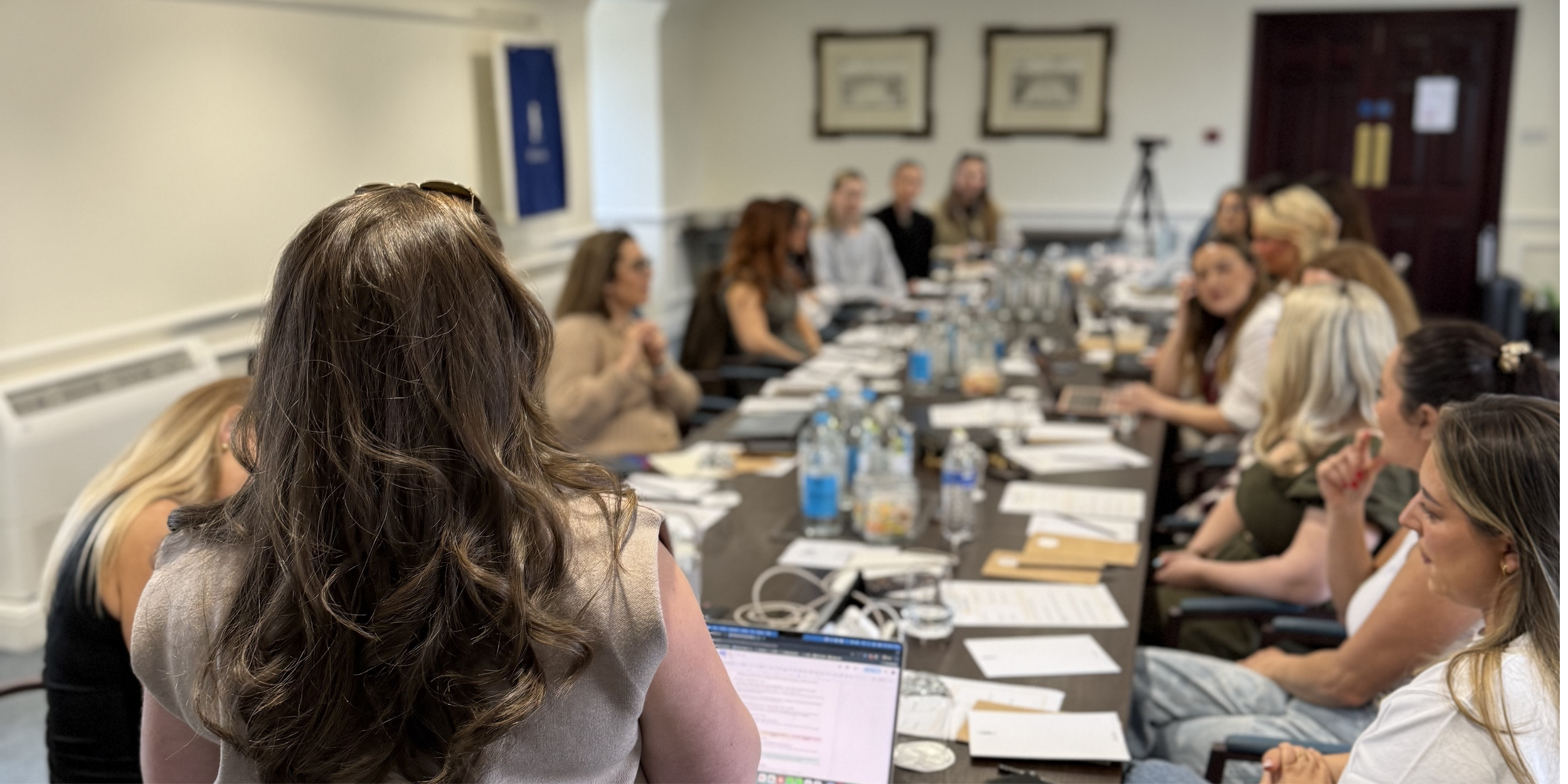
The lessons I’ve learned from managing a team of 9 and 25+ creators
Three years ago, I never imagined I’d be leading a team of nine and managing a roster of 25+ creators, but along the way I’ve learned more about people, leadership, and building a business than I ever expected. From care and communication to culture and letting go, these are the lessons that have shaped everything I’m building today…
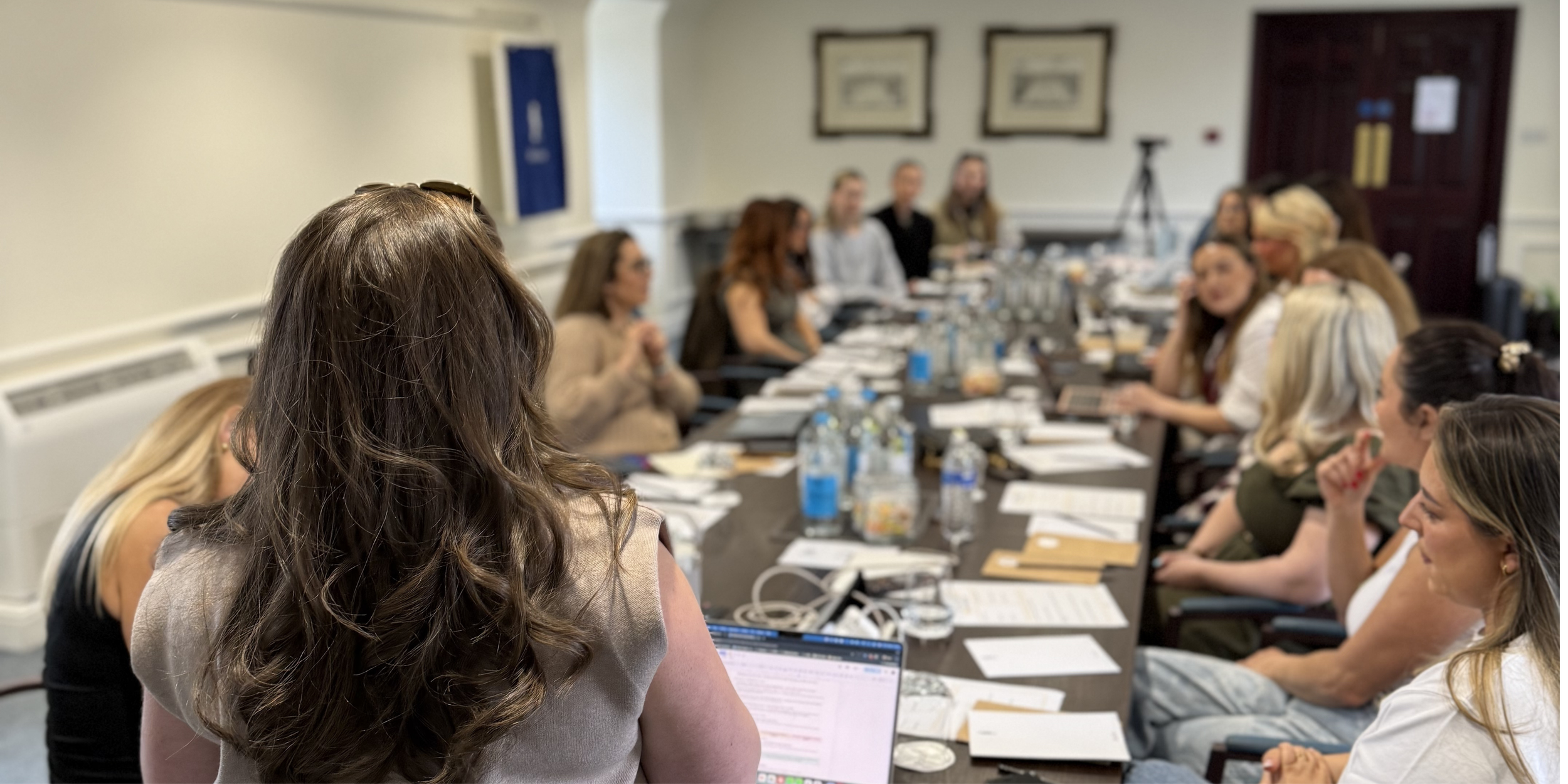
Three years ago, this wasn’t the plan.
I was building something from scratch, figuring things out as I went, and honestly, I had no real reference point for what it would turn into.
Now I’m leading a team of nine and managing a roster of 25+ creators.
And if there’s one thing I can say with certainty, it’s that building a team will teach you more about people and yourself than anything else ever will.
It’s not just about scaling a business. It’s about learning how to hold standards, build culture, make decisions quickly, and sometimes make the hard calls that shape everything that comes next.
Here are a few of the biggest lessons I’ve learned along the way.
You can’t teach care
You can teach skills, systems and strategy, but you can’t teach someone to care, and that’s what makes the real difference when things don’t go to plan. Mistakes will always happen, but not everyone will naturally take ownership of fixing them. The people you want around you are the ones who care enough to act without being chased. Everything else can be developed, but that can’t.
Values aren’t negotiable
This has been one of the biggest shifts I’ve had as a founder - your values aren’t flexible depending on the situation, they’re the foundation of everything. There’s a reason people say one bad apple spoils the barrel, and in a business, especially one built on people and creativity.
When someone isn’t aligned with your values, it doesn’t always show up loudly, sometimes it’s subtle, in how they communicate, how they handle feedback, or how they show up when no one’s watching. But over time, it impacts everything. Protecting your culture will always matter more than avoiding uncomfortable decisions.
Everyone has a superpower
One of the most important parts of leadership is learning to actually see people, not through a job description or a checklist, but through what they naturally do best. Everyone has something they’re exceptional at, the thing that feels effortless to them but is incredibly valuable to everyone else. Your job isn’t to reshape people into the same mould, it’s to notice what makes them different and create space for that to thrive. Because people do their best work when they’re in flow, not when they’re trying to fit into something that was never designed for them.
Communication solves most problems (but only if you actually do it)
This one sounds obvious, but it’s where most things fall apart. Most issues don’t come from bad intentions, they come from unclear expectations, missing context, or conversations that never actually happen. The longer something sits unsaid, the bigger it gets in your head, and usually the fix is much simpler than you think: say the thing early, clearly, and directly. It doesn’t need to be perfect, it just needs to be said.
Not everyone is meant to grow with you - and that’s okay
This is probably the hardest lesson of all. As your business evolves, people will evolve at different speeds, or in different directions entirely, and that doesn’t make anyone wrong. The goal is that when people do move on, they leave better than they arrived, more skilled, more confident, more capable. If you can say that, you’ve done your job properly.
Final thoughts
Leadership isn’t about getting everything right. It’s about learning quickly, adjusting often, and building something that feels solid enough to grow with you.
And I’m still learning every day.
Because ultimately, the aim isn’t just to build a team, it’s to build one that actually grows with the vision, not against it.
Want to work with us?
Great management isn’t about doing more, it’s about building the right foundations for long-term growth.
At OAC, we work closely with brands and founders who are looking for ongoing support with their social presence, from creator strategy to long-term content direction and everything in between.
We don’t just “manage social media”, we help build intentional, audience-led presence that actually compounds over time.
On the talent side, our creator roster is open to for those who are serious about long-term growth, consistency, and building a sustainable personal brand.
If that sounds like you, we’d love to hear from you.
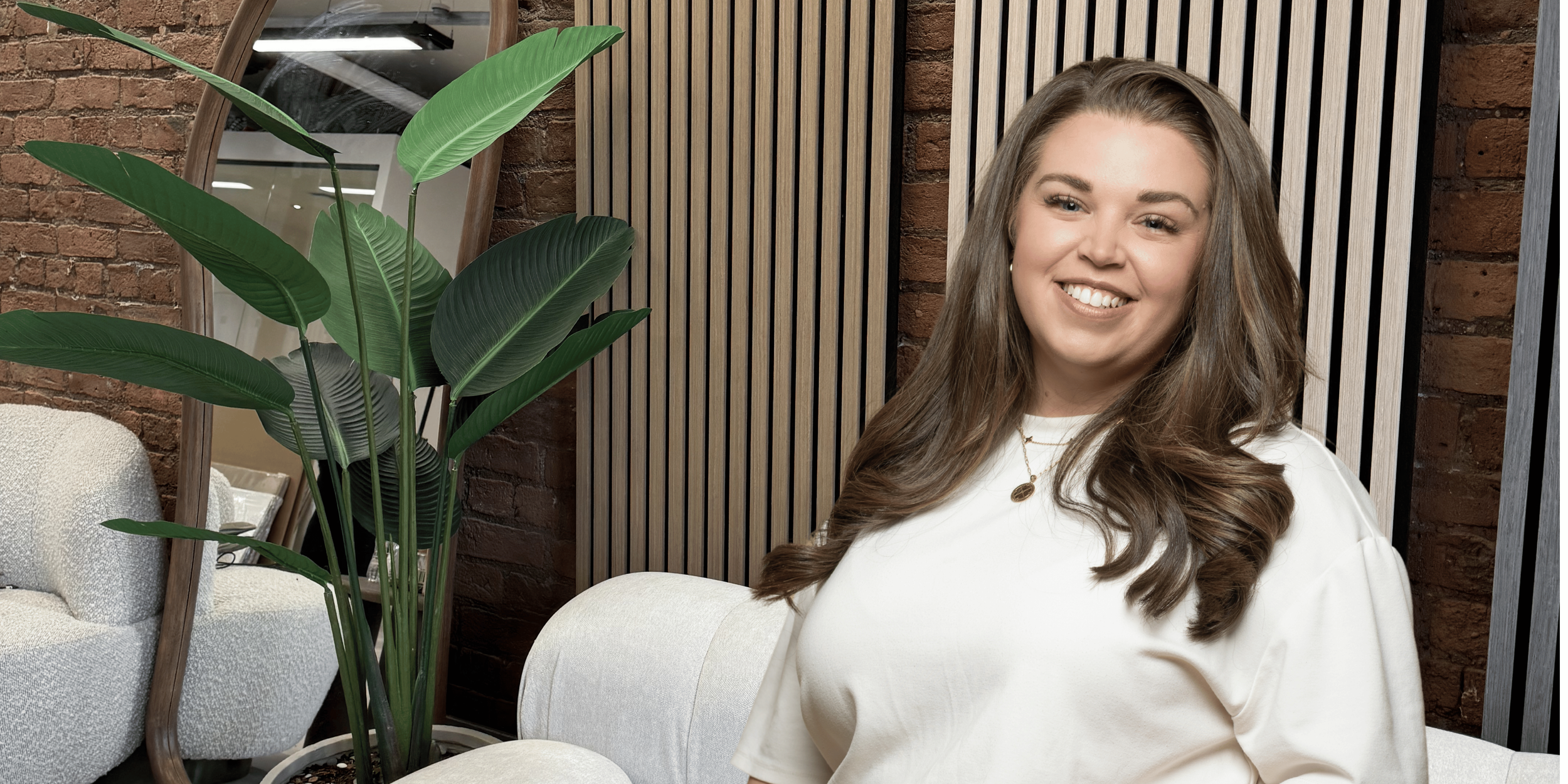
The Costly Mistakes I’ve Made as a First Time CEO (So You Don’t Have To)
If you’re building a business, personal brand, or creator career, it can feel like you need everything at once - strategy, tools, courses, coaching, mentors.
But over the last three years as a first time CEO building OAC, I’ve learned not everything you invest in actually moves you forward. This is a reflection on the costly mistakes I’ve made, and the simple shifts that completely changed how I now build, learn, and invest.
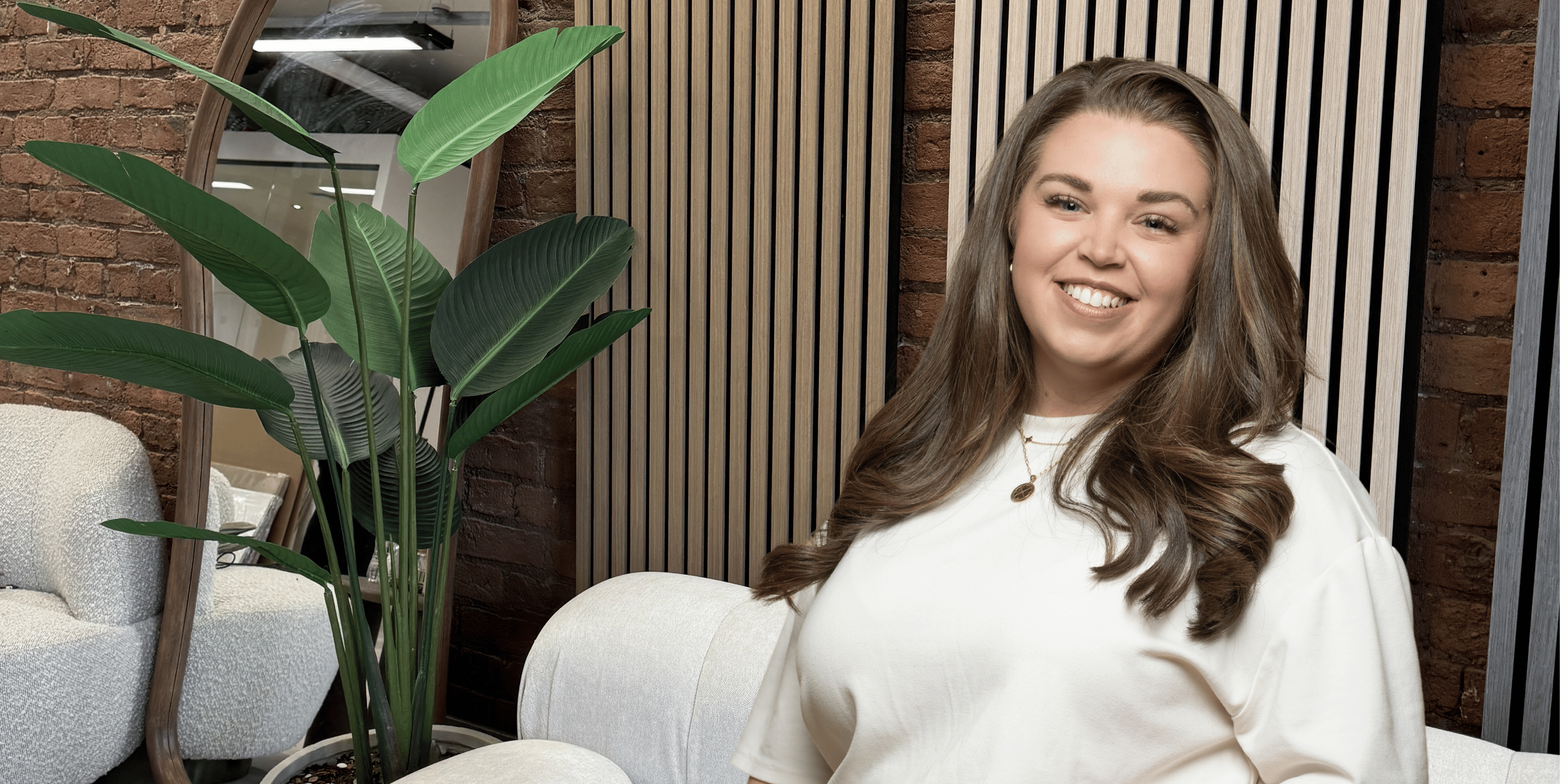
If you’re building something right now, whether that’s a business, a personal brand, a podcast, or a creator career… this might sound familiar.
You feel like you need everything at once.
Strategy. Content. Coaching. Tools. Equipment. Courses. Mentors.
And the thing is… it all adds up fast.
I’ve learned this the hard way over the last three years as a first-time CEO building OAC.
Some of those investments moved me forward. Some of them really didn’t.
So this is less about regret, and more about reflection, the things I wish someone had told me earlier.
1. Not every course or training is worth it
Early on, I felt like I had to constantly be learning to keep up.
So I said yes to courses, training, and programmes thinking it would fast-track my growth.
But what I didn’t realise was that: I was already sitting on a lot more knowledge than I gave myself credit for.
And because I wasn’t always implementing what I was learning, I wasn’t actually getting the value out of it.
Now, I’m much more intentional. I still learn constantly, but I rely heavily on free, high-quality resources like podcasts, YouTube, and real-world experience and I only invest in things I know I will actively use.
2. You don’t need the most expensive setup
I genuinely thought better content meant better equipment. New cameras, new gear, constant upgrades.
But the reality is, for most creators and founders, you don’t need nearly as much as you think. A good phone and a solid mic will take you incredibly far.
Clarity of message will always outperform fancy equipment.
3. Be selective with who you learn from
This one changed everything for me.Not all mentorship is equal, and not every investment in guidance is the right one.
The biggest shift came when I started asking myself:
Have they actually walked the path I want to go down?
Do they have real data, experience, and results?
Do I actually know what I want help with?
And just as importantly, I now always ask for references and context before committing, because alignment matters more than authority.
The biggest lesson
Not every investment I made was a waste of money, but I did learn to become far more intentional with who I listen to, what I buy into, and where I put my energy.
The biggest shift in my growth didn’t come from doing more.
It came from doing the right things.
If you’re in this stage right now…
If you’re building something but feel stuck in that in-between space, where you want to move forward but aren’t sure on direction, you don’t need to figure it all out alone.
My Power Hours are focused 1:1 sessions where we step back, look at where you’re at, and map out clear, tailored next steps so you can move forward with confidence.
What Changes When Women Stop Waiting and Take the Leap
Ever feel like everyone else is moving forward while you’re stuck waiting for the “right” time? You’re not alone. In this post, we share the stories of three women who started from scratch, took bold risks, and built thriving brands without waiting for permission. Learn how taking small steps, trusting yourself, and saying YES before you’re ready can turn ideas into real momentum.
We all know the feeling when you have an idea, a goal, or a dream, but somehow, it never quite feels like the “right” time to start.
Maybe you think you need more experience, more knowledge, more confidence, or the perfect plan. So you wait, you plan, you learn and meanwhile… you watch other people, sometimes less experienced, leap forward while you stay stuck.
Waiting for permission, from others or from yourself is the thing holding most people back.
The people who actually build successful brands don’t wait. They move before they feel ready, take small steps every day, and learn as they go.
In this post, we’re breaking down the journeys of three women who started from scratch, took risks, and turned their personal solutions into thriving businesses, showing how you can do the same.
Lindsey Kane
Lindsey didn’t wait for permission. She noticed a gap in the conversations women were having, too often superficial, polite, or “safe.” She started the conversations others were afraid to have real, honest, no BS talks about empowerment, connection, and women supporting women.
She began by hosting small meetups, building a network of women hungry for meaningful dialogue. Those early conversations sparked a bigger vision. Lindsey launched The YES Button™, creating spaces where women could speak openly, work through fear, and find clarity in their own choices.
She didn’t stop there, she developed JOLT, a wellness supliment designed to energise, build confidence, and bring mental clarity, grounded in science but easy to integrate into daily life.
What started as a risk, simply speaking up and starting conversations, became a brand, a movement, and a voice that inspires women to say YES to themselves, with confidence and purpose. Lindsey shows that impact starts when you take the first step, even if it feels uncomfortable.
Olivia Jenkins
Olivia couldn’t find jewellery that actually worked for real life, pieces that were both stylish and functional, that women could wear confidently every day. Instead of waiting for the “right time” or an investor, she made it herself.
Starting in a spare room with no business experience, Olivia relied on instinct and persistence. Her approach was to take small steps, every day. She learned as she went, refining designs, testing products with friends, and gradually building a loyal customer base. Over time, those small steps compounded, and her risk turned into a tangible, thriving brand.
Today, D. Louise is a multi-million-pound brand, partnered with Chelsea FC Women, and loved by thousands of women every day. Olivia’s journey proves that starting before you feel ready and learning along the way can create something extraordinary.
Lucie Macleod
Lucie didn’t wait for permission or a business plan. Her hair had suffered years of bleaching and damage, and nothing on the market helped. She began experimenting with natural oil blends in her student kitchen, just to fix her own hair.
What started as a personal solution quickly attracted attention. Friends noticed the transformation, then strangers asked if they could buy bottles. Lucie kept refining her formulas, learning about ingredients, sourcing, and production on the fly. Every small step testing, adjusting, sharing, compounded into a business with real traction.
What began as a personal fix became Hair Syrup, a multi-million-pound brand stocked worldwide and loved by thousands. Lucie’s story is a powerful reminder that solving your own problem can become a solution that changes the lives of others, all without waiting for permission.
Key takeaways
Confidence isn’t something you wait for. It’s something you build after you move.
You don’t need permission either.
Our Personal Brand Strategy & Power Hours give you the clarity, confidence, and actionable plan to start before you feel ready. Define your positioning. Build your strategy. Take your first bold steps.
We help you stop waiting, start moving, and say YES to showing up and taking those scary but transformative steps.
Click here to stop waiting and start building your brand today.
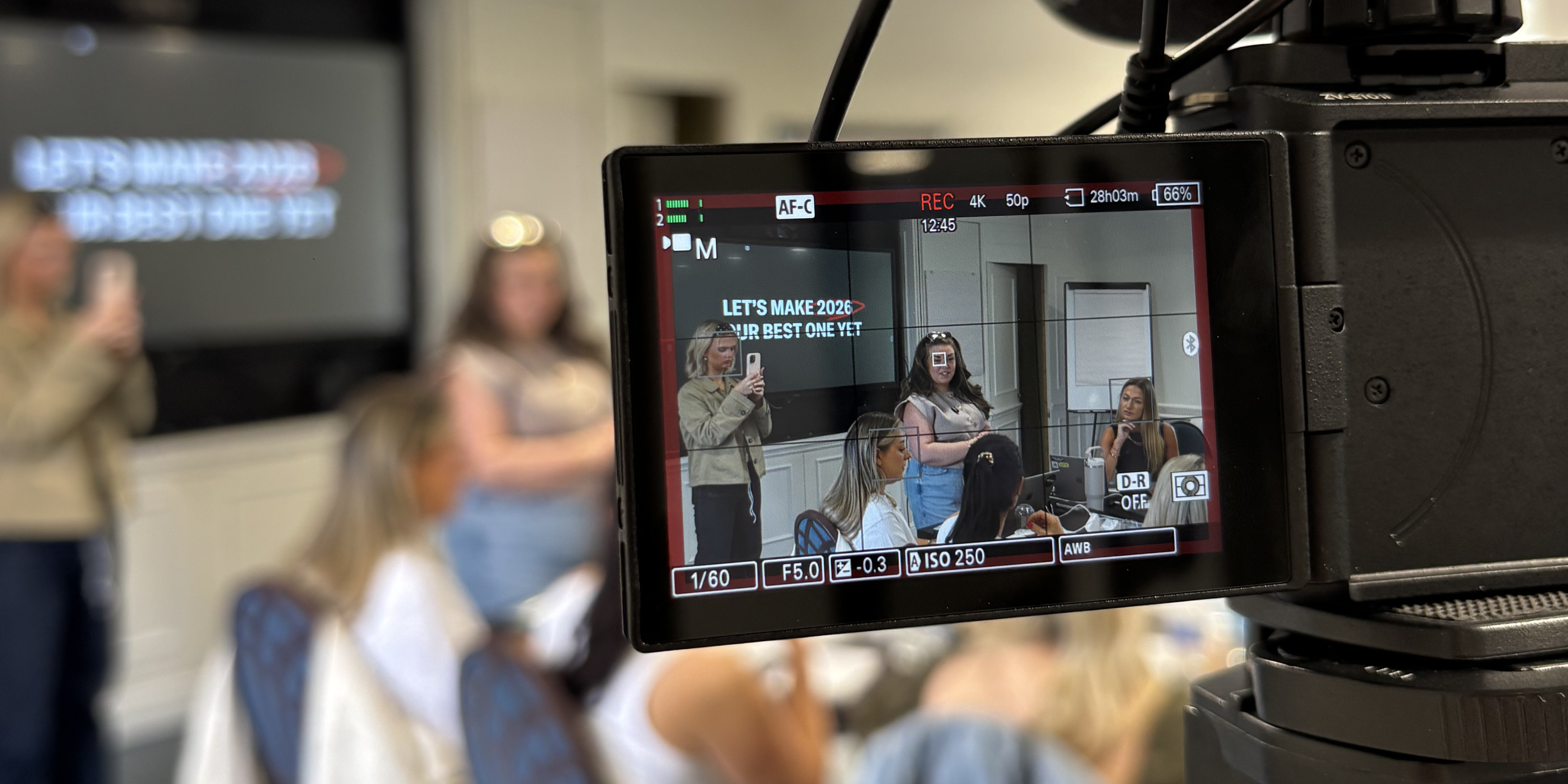
Are You Leaving Opportunities on the Table?
If you’re waiting for brands to come to you, you could be missing out on the best opportunities for your career. In this blog, I break down why pitching yourself is the game-changer, the challenges creators face, and practical advice to start turning outreach into paid work.
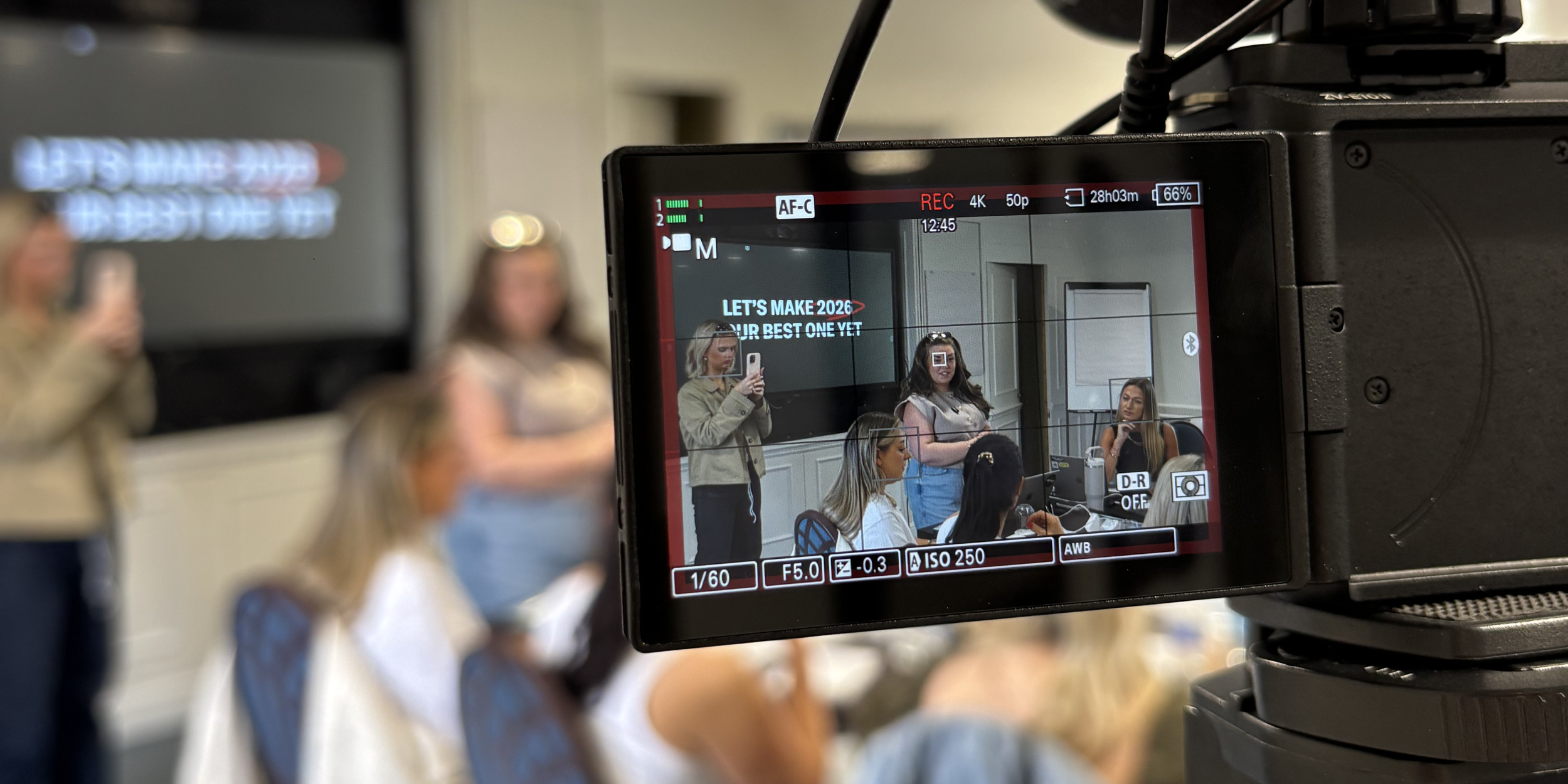
If you’re waiting for brands to come to you, you could be missing out on the best opportunities for your career, here’s why pitching yourself is the game-changer.
When I first started OAC, the split between inbound and outbound opportunities looked pretty balanced:
60% of opportunities were ones we actively pitched for creators
40% came inbound from brands
Fast forward to today, and that split has completely shifted:
85% of opportunities now come from pitches we generate
Inbound opportunities? Often low-paid, irrelevant, or just not worth the time
That shift taught me something crucial: if you’re not actively pitching yourself, you’re leaving opportunities on the table.
Think about it logically. Where would a brand start if they wanted to work with a creator?
Creators actively pitching themselves?
Or spending hours scrolling and searching for someone who might be a good fit?
Your inbox is the easiest place for brands to start. That’s why outbound pitching is not just “extra work” it’s how you create your own opportunities.
Why pitching works
The creators who succeed are the ones who stop waiting for the perfect email to land in their inbox and start proactively creating their own opportunities. Pitching shows:
Initiative: Brands notice when someone reaches out confidently
Value: You’re framing your skills and audience in a way that makes it easy for the brand to see the benefit
Professionalism: A good pitch tells a brand you take your work seriously and that they should too
When done well, pitching also filters out the low-value opportunities. Instead of waiting for brands to reach out randomly, you control the conversation and ensure it’s aligned with your audience, goals, and worth.
The challenge
I know pitching can feel intimidating. A lot of creators feel like they need a “perfect formula” before sending an email. They worry about:
Being too pushy
Not having enough audience size or stats
Crafting a message that sounds authentic
That’s why I built a system to make pitching easier. I’ve created 30 pages of prompts, frameworks, and templates specifically for creators, everything from how to structure your pitch to how to follow up without feeling awkward. You can download the guide here and start sending pitches with confidence today.
The goal is to give creators the confidence to reach out, make a professional impression, and turn pitches into paid opportunities.
My advice
Stop waiting for opportunities to come to you.
Start small: send one pitch this week. Then another. Treat it like a muscle, the more you practice, the more natural it becomes.
Look at your inbox as a place of possibility, not just notifications. Every email you send is a chance to open a door that might otherwise stay closed.
And remember, brands want creators who take initiative. They don’t want someone sitting back, waiting for an invitation. They want someone who can say: “Here’s why I’m the right fit, and here’s how I can add value.”
Final thought
Pitching isn’t about being salesy. It’s about being clear, confident, and intentional.
If you’re not pitching, you’re leaving money, growth, and opportunities on the table. And that’s the easiest problem to fix, all you need to do is start.
So my question is, are you waiting for opportunities to find you, or are you going to go get them? Download the pitching guide here and start creating your own opportunities today.